Dwarka Travel Blog
Dwarka Travel Blog
Practical articles on getting around, budgeting, history, photography, and nearby stops — to go alongside our main Dwarka planning pages.
How I Want You to Use This Dwarka Blog
When pilgrims ask me where to begin on this website, I usually give two answers. If they already know their train, hotel and darshan date, I send them straight to the main planning guides. But if they are still trying to understand how Dwarka actually feels on the ground, I send them here first, to the blog. This blog is where I explain the practical edges that do not always fit neatly into a classic "how to reach" page or a temple information page. I use it to answer the questions people ask after the official basics are over: which station exit feels easier with elders, what kind of morning is best for photography, how much buffer to keep before Bet Dwarka, which route feels calm for first-time visitors, and what small mistakes make a holy trip feel rushed.
The blog covers the living side of Dwarka travel. You will find route notes, budget ideas, seasonal observations, local transport advice, family-focused tips, festival context, and articles that help you understand why certain places matter spiritually. Some posts are highly practical, such as railway station guidance, local transport, and budgeting. Others are interpretive, such as the Char Dham significance of Dwarka, the city's architecture, or the stories connected with old Dwarka in scripture and popular memory. I also keep space here for questions that pilgrims ask quietly: whether solo women feel comfortable, whether children get tired on the outer circuit, whether a photographer should choose sunrise or sunset, and how to reduce friction on a one-day schedule.
If you are visiting Dwarka for the first time, I recommend a simple reading order. Start with the first-time checklist, because that article gives you the foundation: where to stay, what to carry, how to think about darshan windows, and how much time the main circuit needs. After that, read the railway station guide if you are arriving by train, or the airport and road route articles if you are entering from another city. Third, open the local transport guide, because that one helps you convert map distance into real movement on the ground. Then read the itinerary, budget, and nearby-attractions posts. Only after that do I suggest the deeper history, culture, photography and reflection pieces. In short: basics first, logistics second, circuit planning third, meaning and texture after that.
This order matters because the main guides and the blog do different jobs. The main guides on this site are built to help you act quickly. They answer direct questions like timing, route, distance, booking logic, temple etiquette, and the most efficient sightseeing combinations. They are deliberately structured so a family can open one page and make a decision in a few minutes. The blog is slower. It is where I add local judgement, comparisons, and the sort of advice I would give if we were sitting on a bench near Gomti Ghat before your next darshan. A guide page might say that a route takes thirty minutes. A blog post will tell you whether that half hour still feels comfortable after a sleeper-class arrival, whether you should eat before leaving, and whether that route works better in the morning or later in the day.
Another difference is tone. In the main guides, I keep things tidy and decision-oriented. In the blog, I allow more room for sequence, memory and context. I can explain why one article is better for pilgrims with elders, why another is useful for weekend visitors from Ahmedabad, or why a history article changes the way you look at the temple skyline. I also use the blog to connect pages together. For example, a travel budget article makes more sense after you understand transport patterns, and a photography guide becomes more useful once you already know temple restrictions and crowd cycles. That is why the blog is not just a list of posts. It is a companion layer for the rest of the site.
If you only have ten minutes, read four things in this order: first-time checklist, station or arrival guide, local transport, and one itinerary article. If you have half an hour, add the budget post and one place-based article such as Nageshwar, Bet Dwarka or nearby attractions. If you are planning a more thoughtful yatra and want the city to open up beyond checklist travel, then continue into Char Dham meaning, Dwarka history, architecture, women travelling alone, family travel, and seasonal festival posts. That reading path gives you both confidence and perspective. My aim with this blog is simple: the main guides help you plan the trip, and the blog helps you experience Dwarka with fewer doubts and better rhythm.
I also update the blog differently from evergreen planning pages. A main guide may stay stable for long stretches with only timing or route corrections. Blog posts let me respond faster when pilgrims keep repeating the same confusion. If twenty visitors in one month struggle with the same railway transfer, the same market lane, or the same outer-circuit sequence, that usually becomes a blog article before it becomes anything else. So when you browse this page, think of it as the running conversation of the site: the place where Dwarka's practical questions become readable answers.
Getting Started in Dwarka
 Travel Guide
First Time Visiting Dwarka Checklist
A practical Dwarka checklist for first-timers — what to pack, what to wear, how to order your days, and mistakes worth avoiding.
 Travel Guide
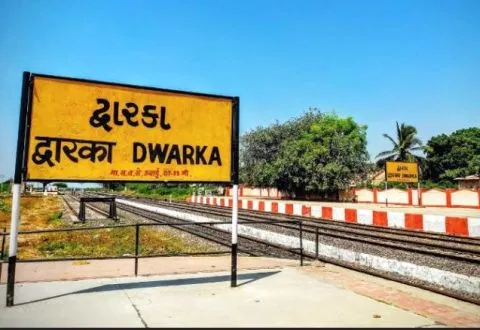
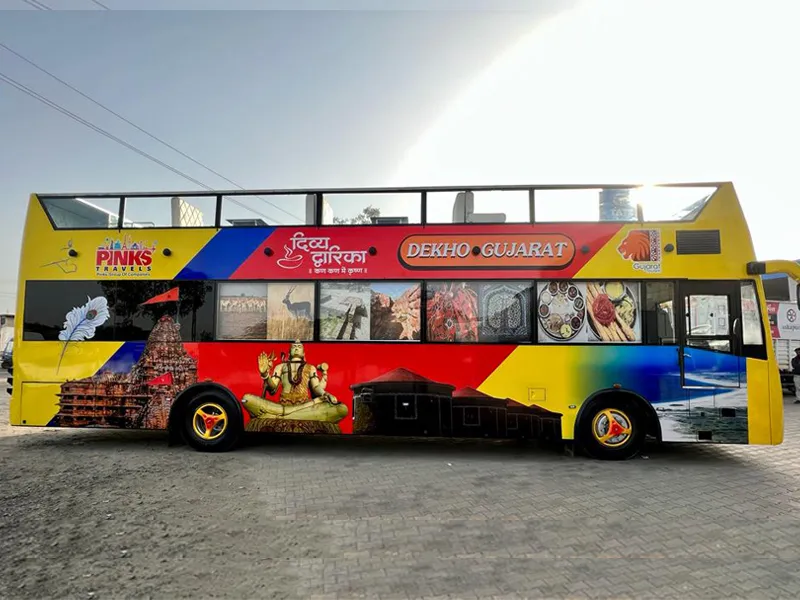
Dwarka Railway Station Guide
Station code DWK, which trains stop here, what's on the platform, and the quickest way to get from the station to the temple.
 Travel Guide
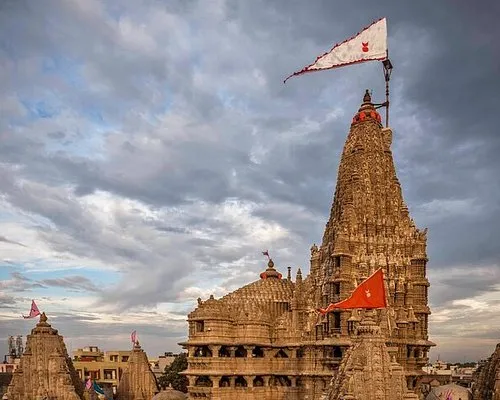
Dwarka Local Transport Guide
Auto fares, taxi hire for sightseeing, shared autos to Bet Dwarka, and the lanes worth walking instead of riding.
 Travel Guide
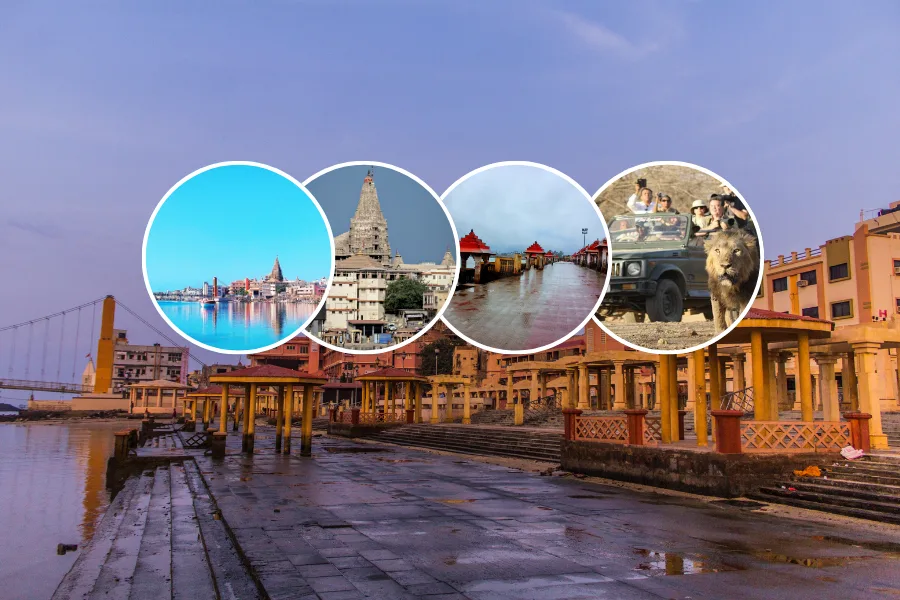
Dwarka Photography Guide
Where to shoot in Dwarka, what's allowed inside the temple, and how to get good photos without stepping on anyone's toes.
 Travel Guide
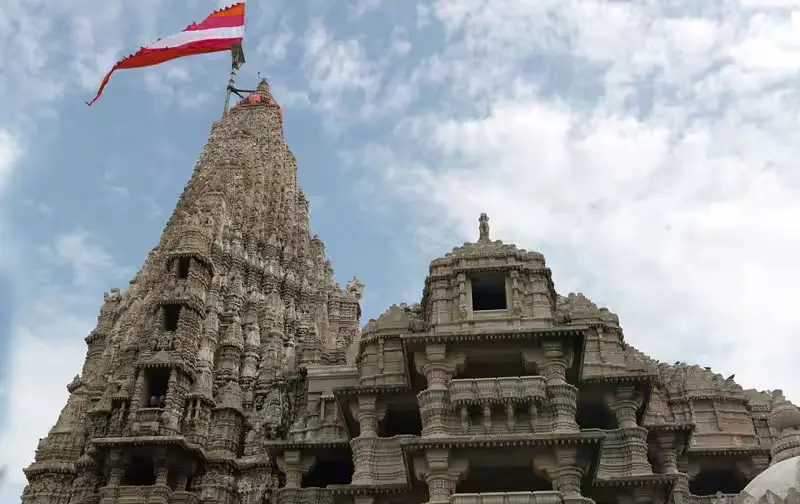
Nearby Attractions from Dwarka
Somnath, Gir, Porbandar, and other worthwhile stops near Dwarka — how far they are and how to fit them into your trip.
Temple Darshan & Festivals
Budget & Itinerary Ideas
Food, Shopping & Local Culture
Pilgrimage Stories & Experiences
 Pilgrimage
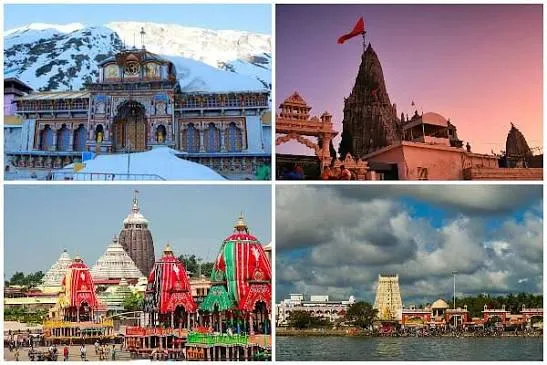
Dwarka Char Dham Significance
Why Dwarka counts as the western Char Dham — and what that means for pilgrims who come here.
 History
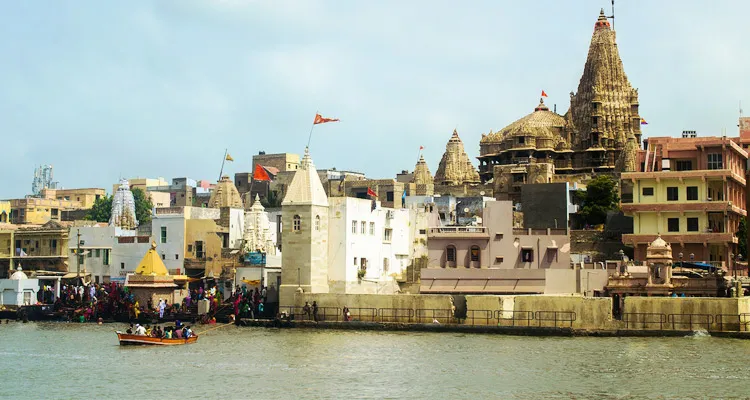
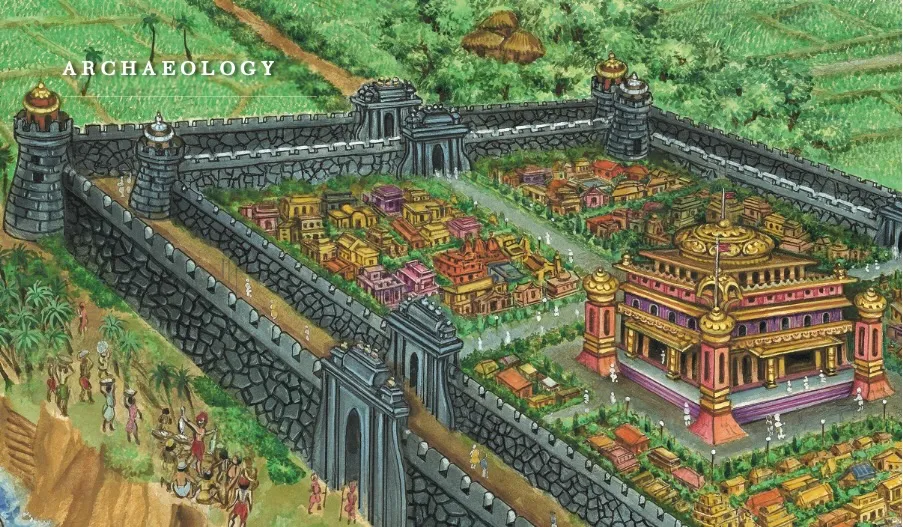
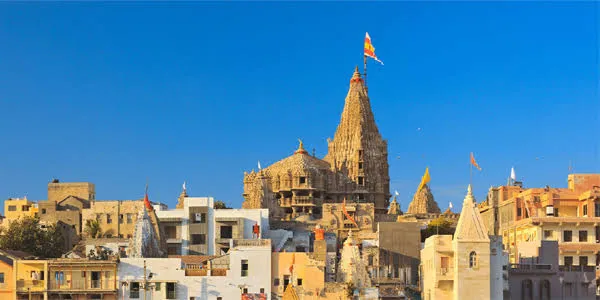
Dwarka Architecture & History
From Krishna's golden kingdom to the Jagat Mandir standing today — and the submerged city that archaeologists keep studying off the coast.
 History & Culture
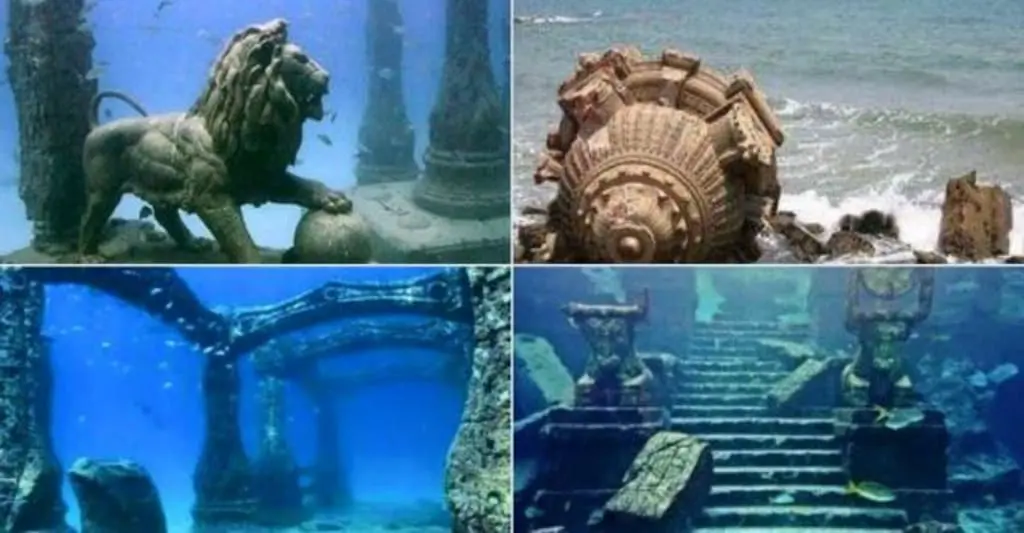
Underwater Dwarka
The legend of submerged Dwarka, what archaeologists have found, and what tourists can realistically see today.
 History & Culture
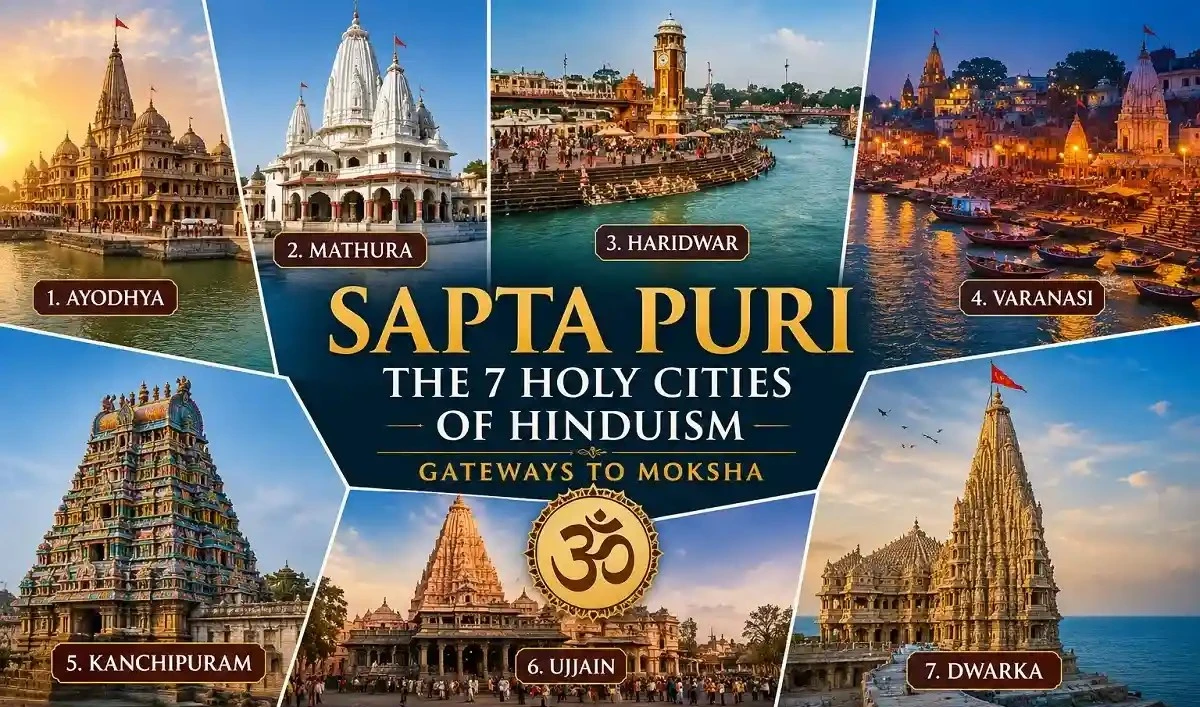
Dwarka as Sapta Puri
Dwarka as one of the Sapta Puri — how the seven holy cities differ from Char Dham, and why that matters when you're here.
 Coastal Guides
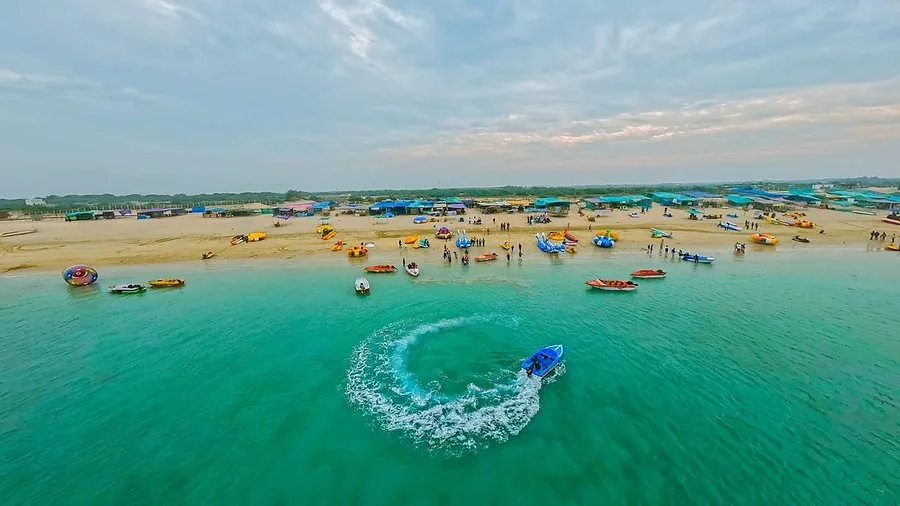
Scuba Diving in Dwarka
Scuba diving at Shivrajpur Beach — what it costs, how deep you go, safety basics, and how it fits around a temple day.
 Travel Guide
Dwarka with Family & Kids
How families with toddlers and grandparents can do Dwarka darshan without burning out — transport, queues, shade, and a gentle two-day plan.
 Travel Guide
Women Travelling Alone to Dwarka
Practical tips for women travelling to Dwarka alone or in pairs — where to stay, how to get around, and what to expect at the temple.
Written by
Lead Editor & Pilgrimage Guide · Independent Dwarka travel guide
Last updated: August 2026
We verify temple timings, routes, and fares against notice boards and recent pilgrim reports. See our editorial policy.