Temple Etiquette
Dwarka Temple Dress Code
What to wear (and what to leave at the hotel) for darshan at Dwarkadhish Temple — plus locker rules, photography, children, elders, and Bet Dwarka.
On this page
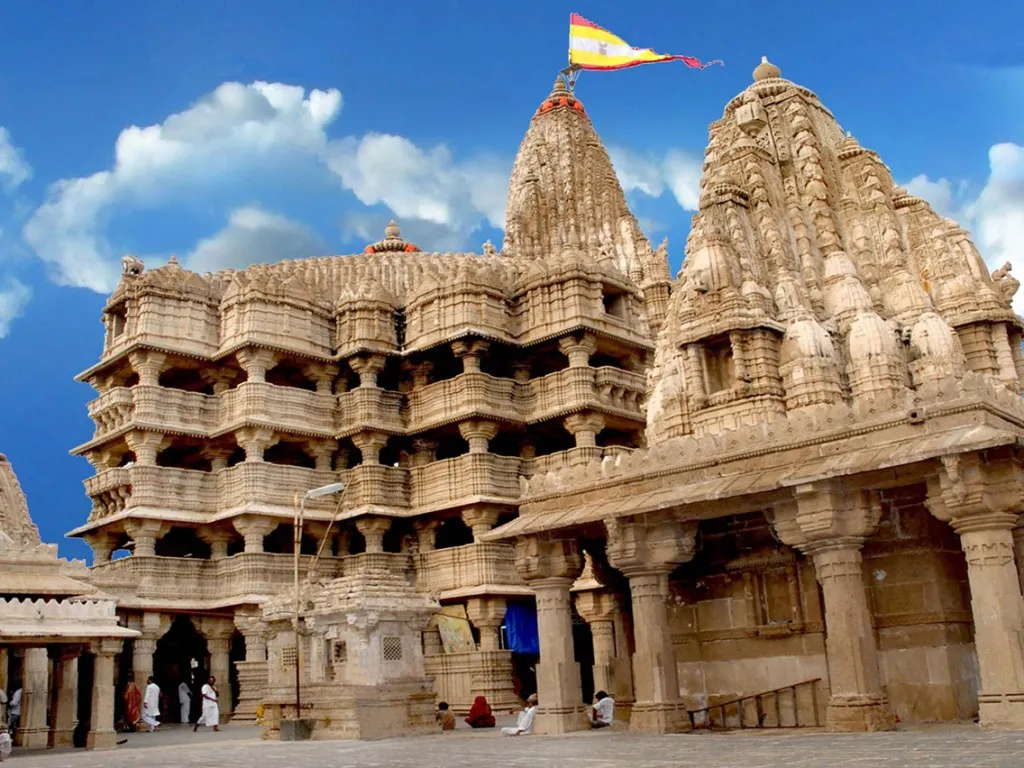
Dwarkadhish Temple (Jagat Mandir) is a working Char Dham shrine, not a sightseeing spot. Gate volunteers expect modest, covered clothing. Dressing correctly before you leave your hotel saves 10–20 minutes at the gate, especially before Mangal or Sandhya aarti on busy weekends.
The key word here is not fashion, but gate reality. People often search online for a strict printed rule and expect the entrance to work like an airport checklist. In Dwarka, enforcement is more human than that. Volunteers and guards usually judge whether your overall appearance looks respectful for temple entry. That means one person in full-length jeans and a modest top may pass without issue, while another in something tighter, more revealing or more obviously holiday-style may be stopped. So the safest approach is not to ask, "Can I get away with this?" but "Would this look naturally appropriate in a sacred Krishna temple?"
Men & Women Rules
What Men Should Wear
Preferred
- Dhoti with kurta / angavastra
- Kurta-pyjama
- Shirt or kurta with full-length trousers
Tradition note
Men may be asked to remove upper garments before sanctum entry. Keep a light cloth handy for outside queues if you prefer covering shoulders while waiting.
Avoid
- Shorts, three-fourths, ripped fashion denim
- Sleeveless gym vests as outer wear in the queue
- Caps / sunglasses inside the sanctum area
Real-world examples help more than abstract rules. A man in plain trousers and a decent shirt is usually fine. A kurta-pyjama is even better. A pilgrim coming straight from a coastal outing in shorts and a sleeveless vest is likely to be told to change. A tracksuit bottom with a modest T-shirt may pass on a quiet day, but I still would not call it ideal if your group wants zero friction.
What Women Should Wear
Preferred
- Saree with blouse that covers shoulders
- Salwar-kameez / churidar with dupatta
- Long modest skirts with covered top
Practical tip
Carry an extra dupatta or shawl. If a top feels borderline, the shawl usually solves it at the gate without changing clothes.
Avoid
- Sleeveless / spaghetti tops, crop tops
- Mini skirts, shorts, short dresses
- Transparent or very tight western party wear
For women, the easiest mental test is coverage plus calmness. Saree, salwar-kameez, churidar, modest kurta with leggings, and long covered dresses with a shawl usually work well. A sleeveless top under a dupatta may still draw attention if the fit looks too casual for temple norms. I always tell women travellers to carry one extra stole or dupatta because it solves most borderline situations in thirty seconds.
Footwear
Deposit phones, cameras and smartwatches before entering. Locker lines are longest just before Mangal and Sandhya — arrive 20–30 minutes early. You may photograph the exterior shikhara, Gomti Ghat and Sudama Setu, but not the sanctum interior. More etiquette sits in our travel tips guide. Apply the same modest standard at Bet Dwarka, Nageshwar Jyotirlinga and other Dwarka-circuit temples.
Dhoti Rental & Temple Facilities
If you arrive without traditional clothes, dhoti and angavastra rental stalls operate near the temple entrance during darshan hours. Shoe stands, locker counters and drinking water are available outside the main gate. Children and elders should wear covered legs and shoulders; carry a spare outfit if you visit the beach first. Wheelchair users should expect steps near the sanctum — ask volunteers for help and arrive before the Sandhya rush.
Families ask me often about children. My answer is simple: children do not need ceremonial perfection, but they should still look temple-ready. Small boys should avoid beach shorts and football sleeveless jerseys. Small girls should avoid short frocks with bare shoulders if possible. Covered, comfortable cotton clothes are best because Dwarka involves heat, stairs, waiting and sometimes wind from the coast. If your child gets wet at Gomti Ghat or on a sea-facing outing, change before entering the temple rather than hoping staff will overlook it.
Children and Elders — Practical Dress Notes
For elders, I recommend loose cotton kurta-pajama or saree with non-slip footwear. Temple stone floors are cold in winter mornings — thin socks help. Wheelchair users should expect steps near the sanctum; modest dress still applies but comfort matters more than formality. Carry a light shawl elders can sit on during long queue waits.
Pack a spare outfit in your hotel if your day includes Shivrajpur Beach or Gomti snan before darshan. Wet or sandy clothes are the most common reason families get delayed at the gate. I keep one complete temple-ready set per person separate from "outing clothes" — it saves arguments at 6 AM.
What to Pack for Temple Visits
| Traveller | Pack in hotel bag | Leave at hotel | Approx. local cost if forgotten |
|---|---|---|---|
| Men | Kurta-pajama or shirt + full trousers, angavastra | Shorts, sleeveless vests, leather belt | Dhoti rental ₹20–₹50 |
| Women | Saree/salwar-kameez, extra dupatta | Sleeveless tops, short dresses, beach wear | Dupatta ₹100–₹200 |
| Children | Covered cotton set, spare after ghat/beach | Swimwear, cartoon sleeveless tees | Basic kurta ₹200–₹400 |
| Elders | Loose kurta/saree, socks, non-slip sandals | Heavy jewellery, large handbags | Shawl ₹100–₹300 |
| All | Small cloth bag for footwear token, locker pouch | Phones, cameras, smartwatches (lockers) | Locker ₹10–₹20 per item |
What Not to Wear
| Item | Rule | What to do |
|---|---|---|
| Shorts / mini skirts | Not allowed | Change at hotel before leaving |
| Mobile phones / cameras | Not inside sanctum | Use official lockers |
| Leather belts / large bags | Often restricted | Travel light; deposit if asked |
| Footwear | Remove before entry | Use shoe stall; keep token safe |
The table gives the broad idea, but the practical lesson is this: underdressing causes delay even when it does not end in full refusal. A volunteer may stop you, ask questions, point you toward a cover-up stall, or tell one family member to fix clothing while the rest of the group waits outside. That breaks the flow of darshan and can be upsetting if elders are already in line. In peak hours, temple staff have less patience for long discussions, so simple, modest clothing is always the smoother choice.
The phrase "what happens if I am underdressed?" worries travellers more than it should, so let me answer directly. Usually one of four things happens. Best case, a volunteer simply advises you and lets you adjust a shawl or cloth. Second case, you are asked to step aside and cover up before rejoining. Third case, you are told to go back out and change fully. Fourth and least pleasant case, the whole group gets delayed because one member is not dressed appropriately and nobody wants to separate. None of this is dramatic, but all of it is avoidable.
I also remind pilgrims that dress code is not only about entry permission. It changes how comfortably you move through the town. If you leave your hotel already dressed for darshan, you can go from room to temple, to Gomti side, to prasad shop, to evening aarti without constant adjustment. If you dress for vacation photos first and sacred spaces second, Dwarka will keep asking you to correct course. This is especially true if your day includes Bet Dwarka, Nageshwar or Rukmini Temple as well.
The same modest standard applies at Nageshwar Jyotirlinga, Bet Dwarka island temple, Rukmini Devi Temple, and ISKCON Dwarka — not just Jagat Mandir. I have seen pilgrims turned away at Bet Dwarka after a beach stop in shorts because they assumed only the main temple enforced dress rules. Carry a temple-ready set in your taxi or hotel room when mixing coastal outings with darshan on the same day.
Western travellers sometimes ask about jeans and T-shirts. Full-length jeans with a modest top often pass at Dwarkadhish on quiet weekdays, but kurta-pajama or saree removes all gate friction. Sleeveless, shorts, and beach wear fail consistently. During festivals, enforcement tightens — dress more traditionally than you think necessary. A light cotton outfit packed specifically for temple days costs less than the time lost arguing at a crowded gate.
Women travelling solo or in small groups report fewer gate issues with saree or salwar-kameez than with western casual wear — not because rules differ, but because volunteers assess overall modesty quickly in crowded queues. When in doubt, overdress rather than underdress for the first darshan; you can always simplify for subsequent outer temples if the first entry went smoothly.
Monsoon pilgrims sometimes ask whether wet clothes matter — yes, if you look like you came from the beach rather than a temple. Change into dry modest cotton after Gomti snan before joining the Dwarkadhish queue. Quick-dry kurtas help but still look casual; a spare set in the hotel is safer.
Temple volunteers appreciate pilgrims who arrive prepared — gate friction drops when your group looks obviously ready rather than treating dress code as an afterthought.
Bet Dwarka and Nageshwar apply the same modesty rules as Dwarkadhish even though enforcement feels looser — I still pack a dupatta for women and full-length bottoms for men on the outer circuit. Beach visits after temple rounds tempt pilgrims into shorts; change before returning to the main temple for evening aarti or you may be turned back at Swarga Dwar during peak hours.
Plan Your Dwarka Trip
Written by
Lead Editor & Pilgrimage Guide · Independent Dwarka travel guide
Last updated: August 2026
Frequently Asked Questions
Dress code FAQs
Men, women, phones, jeans and other temple rules.
Wear modest traditional clothing. Men: dhoti/kurta or shirt with full-length trousers. Women: saree, salwar-kameez or similar covered attire. Shorts, mini skirts and sleeveless tops are not allowed.
As per long-standing temple tradition, men may be asked to remove upper garments before entering the sanctum. Carry a simple cloth or angavastra if you prefer to cover your shoulders while waiting outside.
Full-length modest jeans or trousers with a proper top are generally accepted more readily than shorts, but traditional wear is safer and preferred at the gate.
No. Phones, cameras and leather items go in the lockers outside. Photography is not allowed inside the sanctum.
Yes. Treat all temples on the Dwarka circuit as sacred spaces that require modest dress.
Shoulders and legs should be covered. Avoid sleeveless beach outfits for temple entry. Carry a spare set if you visit the coast before darshan.
Full-length tracksuit pants with a modest top may be accepted, but traditional clothing reduces the chance of being turned away during busy hours.
Planning Your Trip to Dwarka?
Darshan timings, how to get there, nearby temples, where to stay — we've put it all together so you can focus on the pilgrimage. Jai Dwarkadhish.