Devbhumi Dwarka · Gujarat, India
Devbhumi Dwarka
Practical guides for visiting Dwarka, Gujarat — temple darshan, nearby shrines, where to stay, and how to get around on your Krishna pilgrimage.
Before You Queue
Why Visit Dwarka
If you are aiming for Mangal Aarti, the real delay usually starts before darshan, not inside it. In my experience, the locker queue can move slower than the temple line on busy mornings because whole families arrive together with phones, bags, belts, and extra footwear to sort out at the last minute. I usually tell first-time visitors to reach early enough that the locker token is already in hand before they start thinking about the aarti bell.
Another small but useful local detail: shared autos for Okha and the outer side routes are more reliably found near the bus-stand area than outside DWK station. You may still get an auto from the station, but if a pilgrim asks me where the shared rides fill faster, I point them toward the bus side. It saves the confusion of waiting near the rail exit while every driver quotes a private fare.
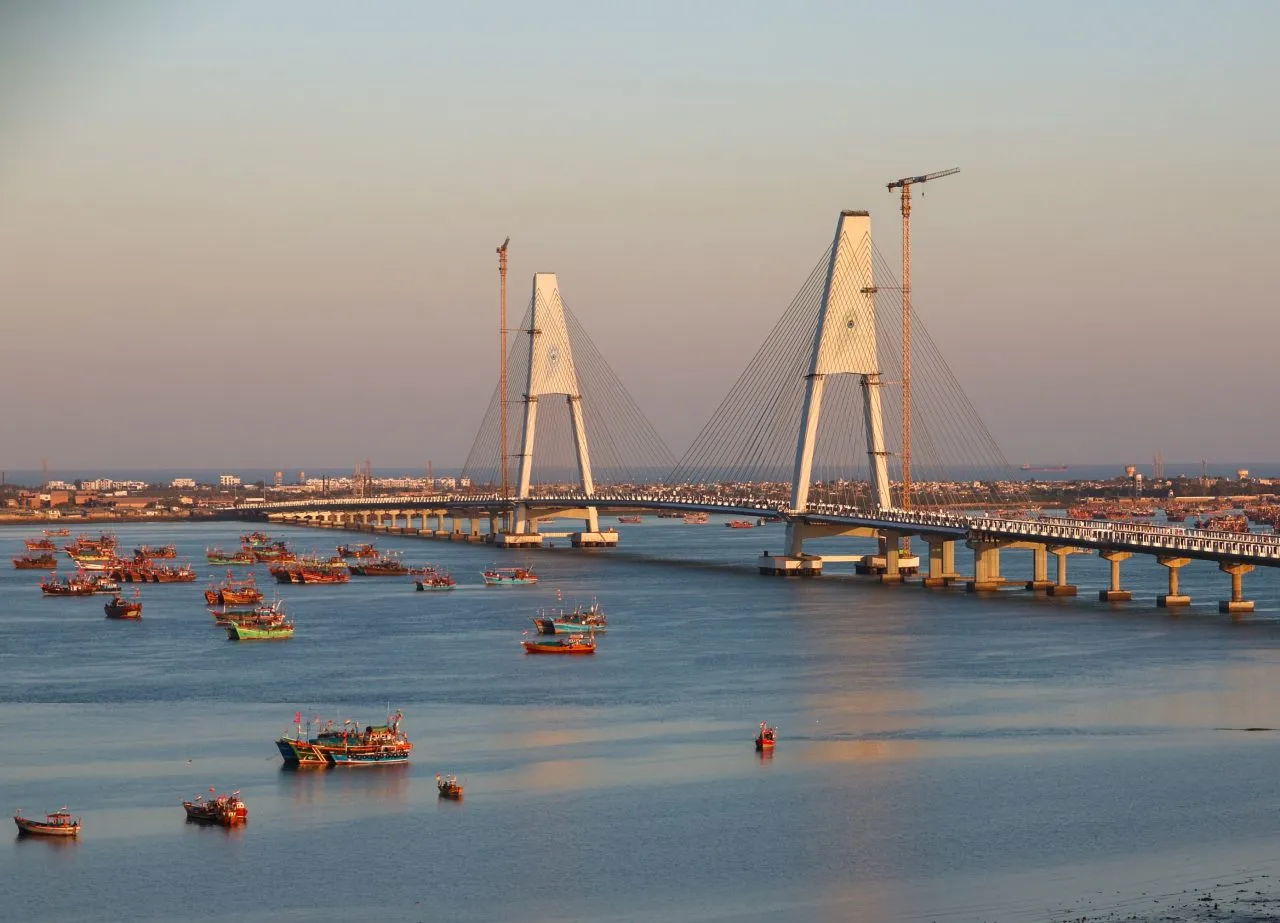
Bet Dwarka planning also changed once Sudarshan Setu opened. In clear weather, some travellers still like the ferry experience from Okha, but in monsoon I lean toward the bridge unless local conditions look calm and boat service is clearly running. The sea decides more than the itinerary does here, so I treat ferry plans as flexible and keep a road option in reserve.
Common Planning Mistakes
- Arriving for temple entry without modest clothes or an easy cover-up.
- Skipping the afternoon Bet Dwarka window and then trying to force the whole outer circuit too late.
- Booking a same-day return train after the outer circuit and underestimating road delays, queues, or weather.
How to Use This Guide
Think of this homepage as the trip-planning hub: it is the fast overview for timings, route tools, season checks, and the pages most first-time pilgrims open first. If you want the street-level city experience, move next to the Dwarka guide — it covers Devbhumi district context, Okha, the coastal belt, and the full pilgrimage circuit in one place.
The Main Temple
Dwarkadhish Temple at a Glance
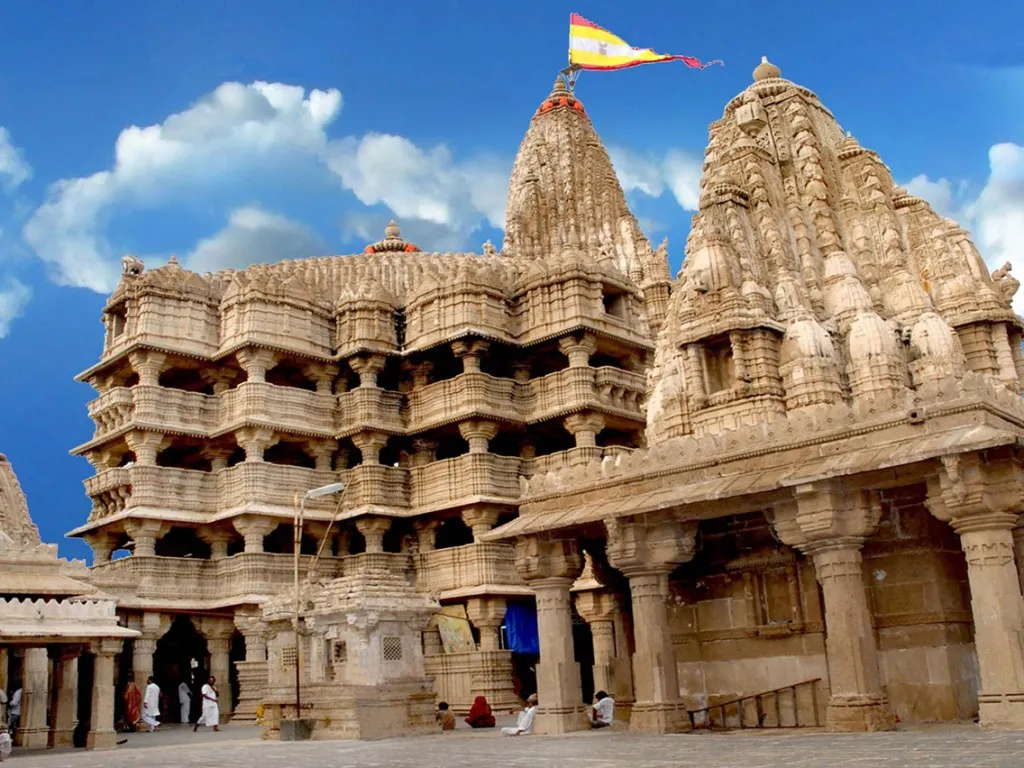
The Dwarkadhish Temple (Jagat Mandir) is the main shrine of Dwarka and one of the four sacred Char Dham pilgrimage sites. This 2,200-year-old shrine rises above the Arabian Sea with a five-storey shikhara, a 56-step flagstaff, and daily rituals from Mangal Aarti at dawn to Shayan Aarti at night. Millions of devotees visit Dwarka each year for darshan of Lord Krishna as King of Dwarka.
Temple life in Dwarka stretches well beyond the main sanctum. Pilgrims bathe at Gomti Ghat, watch the daily flag ceremony, and often combine darshan with Rukmini Devi Temple and Nageshwar Jyotirlinga. Entry is free; dress modestly and leave phones in the lockers before entering the garbhagriha.
Read the full Dwarkadhish Temple guide → including history, architecture, dress code, and visitor rules.
Quick Facts About Dwarka
- State
- Gujarat, India
- District
- Devbhumi Dwarka
- Famous For
- Dwarkadhish Temple, Char Dham
- Best Time
- Oct – Mar (Janmashtami)
- Nearest Airport
- Jamnagar (137 km)
- Nearest Railway
- Dwarka Railway Station
Sightseeing
Best Places to Visit in Dwarka
A typical Dwarka trip includes the main temple, Bet Dwarka island, Nageshwar Jyotirlinga, coastal ghats, and a few heritage stops along the Arabian Sea. Most outer sites fit into one full-day taxi run from town.
Dwarkadhish Temple
The 2,200-year-old Jagat Mandir, home to Lord Dwarkadhish (Krishna as King of Dwarka). Its 5-storey shikhara and 56-step flagstaff are iconic.
Bet Dwarka
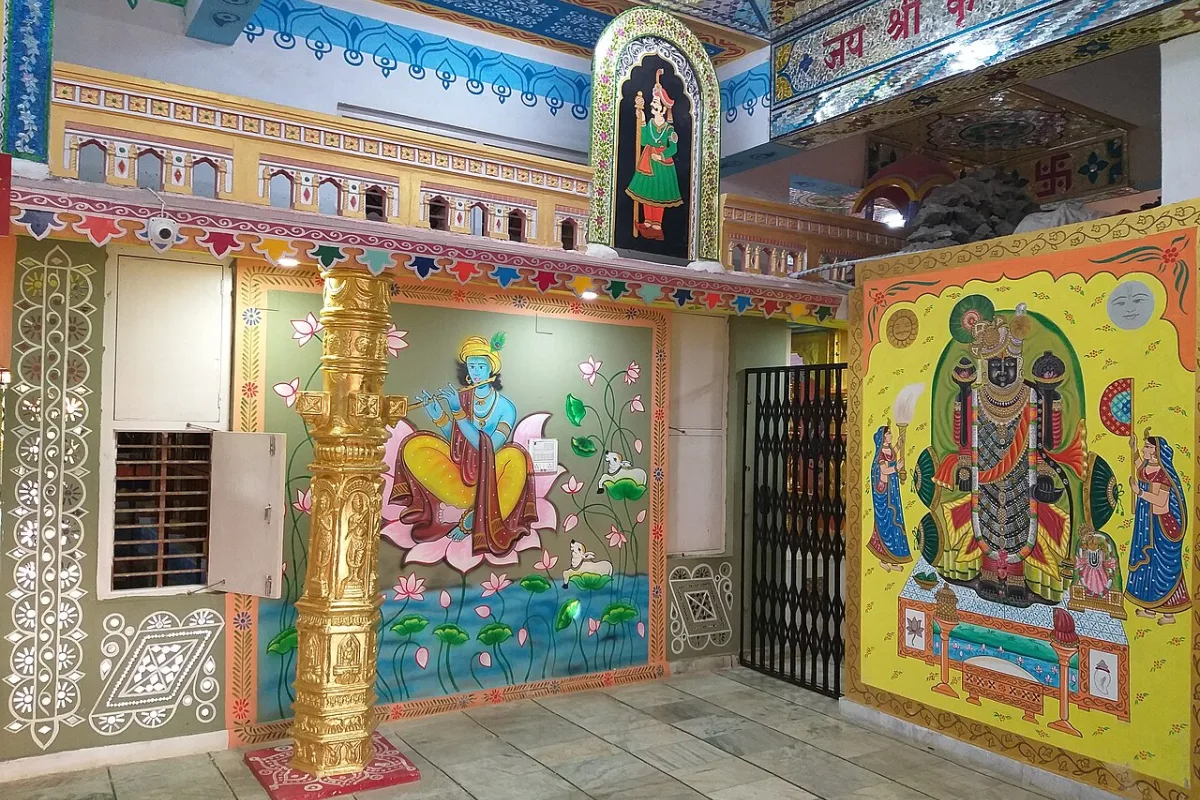
Krishna's island home in the Arabian Sea — reach it by road over Sudarshan Setu or the traditional ferry from Okha.
Sudarshan Setu
India's longest cable-stayed bridge from Okha to Bet Dwarka — engineering specs, Krishna-themed walkways, solar panels, and how pilgrims actually use it.
Nageshwar Jyotirlinga
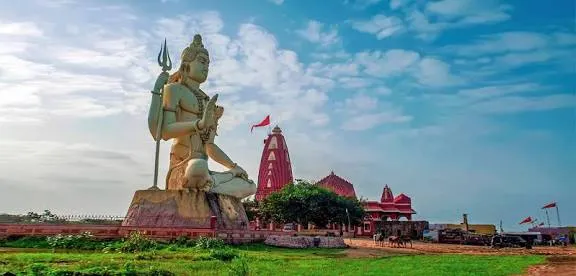
One of the twelve Jyotirlingas of Lord Shiva, 18 km from Dwarka on the road to Bet Dwarka — usually the first stop on a day trip out of town.
Rukmini Devi Temple
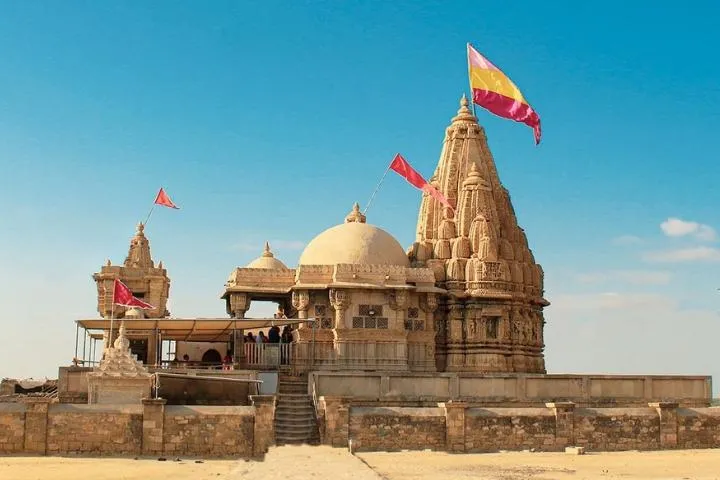
A small 12th-century temple with fine carvings, dedicated to Rukmini — Krishna's chief queen — 2 km from the Dwarkadhish Temple.
Gomti Ghat
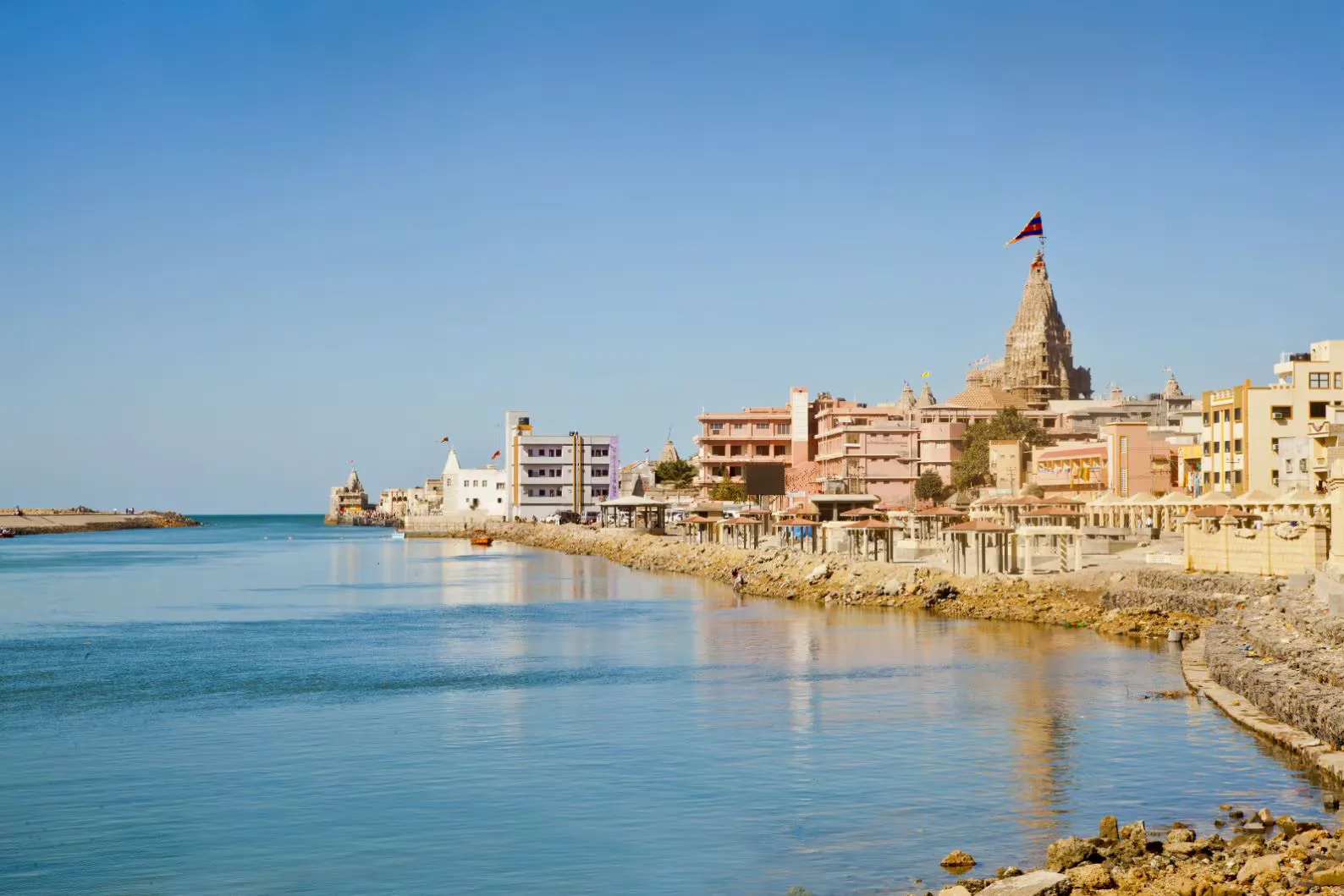
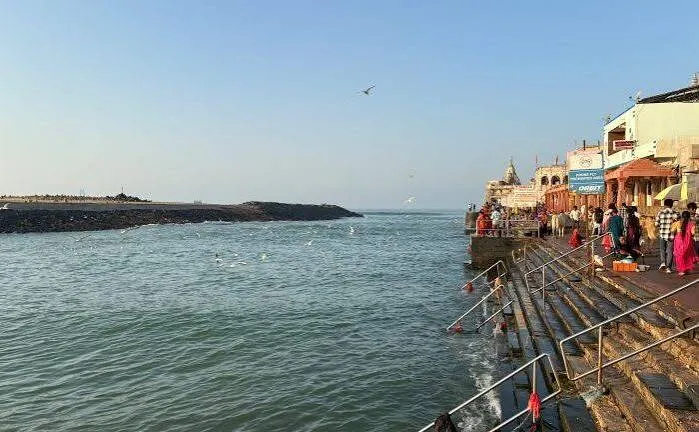
The bathing ghat where the Gomti River meets the Arabian Sea — pilgrims dip here before climbing the 56 steps through Swarga Dwar into Dwarkadhish Temple.
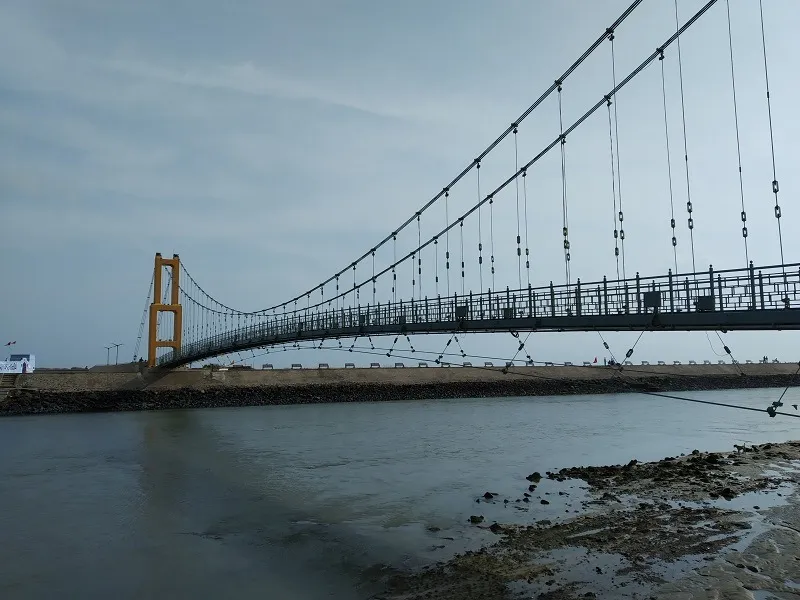
Sudama Setu
A pedestrian suspension bridge over the Gomti River, named after Krishna's friend Sudama, with wide views of the Dwarkadhish Temple from the water.
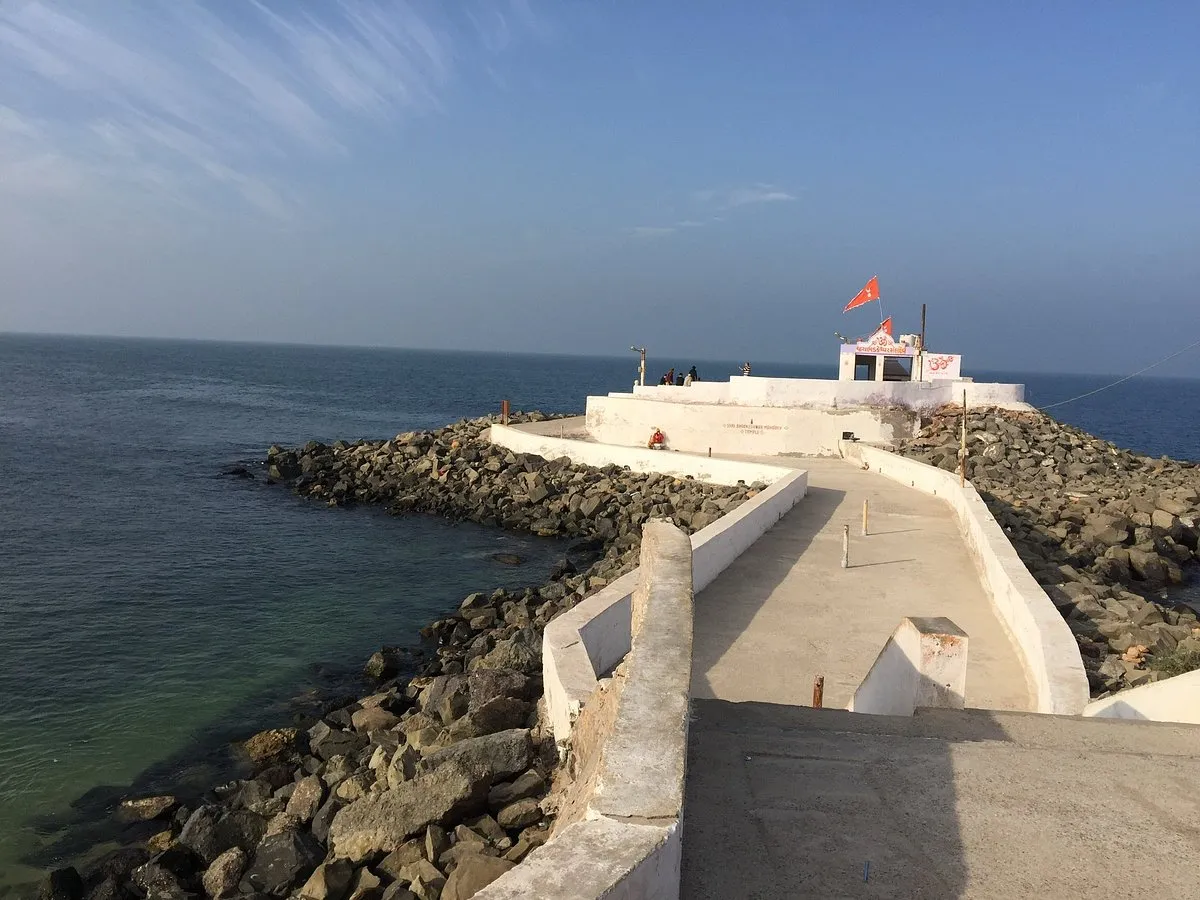
Bhadkeshwar Mahadev Temple
An ancient Shiva temple on a small hillock in the sea — at high tide, the shrine appears to float on water.
Temple Schedule
Dwarka Darshan Timings & Aarti Schedule
Use this page for the big picture only: Dwarkadhish Temple usually opens in the morning, closes for an afternoon break, and reopens in the evening, but the exact flow around Mangal Aarti, Rajbhog, Sandhya, and festival days is better checked on the dedicated timings page before you leave your hotel. View the complete darshan & aarti timetable →
I tell every first-time pilgrim the same thing: build your sightseeing around the temple clock, not the other way around. The afternoon closure from roughly 1 PM to 5 PM is not dead time — it is when I send groups to Nageshwar, Gopi Talav and Bet Dwarka via Sudarshan Setu. If you miss Mangal Aarti because you slept in, do not try to compensate by skipping lunch and forcing the outer circuit — you will arrive back exhausted for Sandhya with nothing gained.
Locker queues at Swarga Dwar can add 15–25 minutes on busy mornings. Deposit phones, smartwatches and leather belts before you join the darshan line. Shoe stalls charge ₹5–₹10; keep the token in a zip pocket with your locker receipt. Evening Sandhya draws the largest crowds after 6:30 PM — Shayan around 8:30 PM is calmer if your group prefers devotion over spectacle.
Season Guide
Best Time to Visit Dwarka
Most visitors are happiest from October to March, while summer needs early starts and monsoon needs a more flexible Bet Dwarka plan; if your dates depend on Janmashtami, winter comfort, or ferry conditions, use the fuller season breakdown instead of relying on the summary here. Read the full season & festival guide →
November and February are my personal sweet spots — cool enough for Mangal Aarti without a heavy jacket, dry enough for Bet Dwarka by road or ferry, and not quite as packed as December holiday weeks. Janmashtami in August–September is spiritually electric but logistically demanding: monsoon rain, ferry uncertainty, and hotel rates that can double within the temple-side lanes.
Before you book, check our live weather page for wind and rain on your travel dates. Coastal breeze makes winter evenings feel cooler than the thermometer suggests — carry a light shawl for Sandhya aarti even when daytime highs reach 28°C.
Getting There
How to Reach Dwarka
Trains are still the easiest arrival for most pilgrims, Jamnagar is the nearest practical airport, and road transfers work well if you build in honest buffer time for the peninsula stretch. Full transport guide: train, bus, flight & road →
Dwarka Railway Station (DWK) sits about 1.5 km from Jagat Mandir — autos to the temple area cost ₹40–₹80. From Ahmedabad (440 km), overnight trains take 9–10 hours and are how most Gujarat pilgrims arrive. Jamnagar Airport (137 km) connects to Mumbai and Ahmedabad; expect ₹2,500–₹3,500 for a pre-booked taxi to Dwarka town.
For the outer circuit — Nageshwar, Bet Dwarka, Gopi Talav — I hire one full-day taxi (₹1,500–₹2,500) rather than stitching shared autos with elders in the group. Okha Jetty ferries to Bet Dwarka cost ₹20–₹40 when seas allow; Sudarshan Setu is the reliable monsoon alternative.
Accommodation
Hotels & Dharamshala in Dwarka
Stay close to the temple if early darshan matters, or closer to the station side if you want easier arrivals and departures; the dedicated stay guide is where we break down localities, budgets, and what changes during festival weeks. Compare hotels, dharamshalas & booking tips →
Temple-side lanes near Gomti Ghat put Mangal Aarti within a 5–10 minute walk — worth the premium during winter peak. Budget rooms run ₹800–₹2,000 per night; dharamshalas can be lower but expect shared facilities and early quiet hours. Station-side stays save ₹200–₹500 nightly but add ₹30–₹50 per auto trip to the temple.
Book 4–8 weeks ahead for Janmashtami and Kartik Purnima. I always confirm walking distance to Swarga Dwar in writing — listings that say "near temple" sometimes mean 15 minutes by auto.
Pilgrim Essentials
Dwarka Travel Tips for First-Time Visitors
Pack modest clothes, expect locker and queue time, and do not overbook the outer circuit on a tight departure day; for practical details like budgets, packing, and local etiquette, the full tips page is more useful than another repeated checklist here. Read all Dwarka travel tips for pilgrims →
A realistic daily budget in Dwarka — excluding travel to the city — runs ₹800–₹1,500 per person in a dharamshala with local thalis, or ₹2,000–₹4,000 mid-range with AC hotel and taxi hire. Dwarka is pure vegetarian; alcohol is not served anywhere in town. UPI works at most eateries; keep ₹2,000–₹3,000 cash for lockers, shoe stalls, prasad and auto fares when ATMs run dry in peak season.
Dress code matters at every shrine on the circuit, not just Dwarkadhish. Cotton kurta-pajama or saree is safest. Phones stay in lockers — plan your communication before you enter the queue. Gomti Ghat steps are slippery in monsoon; wear footwear with grip, not smooth sandals.
Trip Length
How Many Days for a Dwarka Trip
Most pilgrims need 2 full days: Day 1 for Dwarkadhish Temple, Gomti Ghat and Rukmini Temple; Day 2 for Nageshwar Jyotirlinga and Bet Dwarka. One day works if you prioritise main darshan only. Add a third day for Shivrajpur Beach, Porbandar, or a relaxed pace with elders. Use the itinerary planner for 1–3 day plans →
Itinerary
Plan Your Dwarka Itinerary
Build your route around darshan windows, not just distance. Start with morning temple entry, use the afternoon closure for lunch and rest, then tackle the outer circuit (Nageshwar + Bet Dwarka) on a dedicated day. Continuing to Somnath? See our Dwarka–Somnath itinerary or reverse route Somnath to Dwarka.
For a tight 1-day schedule, I start at 5:45 AM and finish after Shayan aarti around 9 PM — doable but exhausting. For most families I recommend 2 nights minimum: Day 1 temple town, Day 2 outer circuit, Day 3 optional Somnath exit or relaxed second darshan before departure. Budget roughly ₹1,500–₹2,500 for the full-day taxi and ₹800–₹2,000 per night near the temple in winter.
Monsoon travellers should confirm Bet Dwarka access via Sudarshan Setu before booking a same-day return train. Summer pilgrims should skip midday sightseeing entirely and use the 1–5 PM temple closure for air-conditioned rest rather than forcing Nageshwar in 40°C heat.
Plan Your Dwarka Trip
Written by
Lead Editor & Pilgrimage Guide · Independent Dwarka travel guide
Last updated: August 2026
Frequently Asked Questions
Frequently Asked Questions
Dwarka darshan timings, days needed, best season, Bet Dwarka access and how to reach.
Morning darshan is usually about 6:30 AM–1:00 PM; evening darshan about 5:00 PM–9:30 PM, with a break in between. Mangal Aarti is around 6:30 AM; Sandhya and Shayan aartis are in the evening. See our darshan timings page for the full schedule.
One day covers the main darshan and outer circuit (Bet Dwarka, Nageshwar, Gopi Talav, Rukmini). Two days are more comfortable; add Somnath with our Dwarka–Somnath itinerary. Use the itinerary planner for day-wise plans.
The best time to visit Dwarka is from October to March, when the weather is cool and pleasant. November and February are ideal. If you want to experience Janmashtami, visit in August–September, but be prepared for monsoon weather and large crowds.
You can drive via Sudarshan Setu (road bridge) or take a taxi/auto/bus to Okha jetty (~30 km) and a 15–20 minute ferry (about ₹20–₹40). Prefer the bridge in monsoon when boats may pause.
The nearest airport to Dwarka is Jamnagar Airport (JGA), about 137 km away (a 2.5–3 hour drive). It is connected to Mumbai and Ahmedabad. Rajkot Airport (225 km) and Ahmedabad International Airport (440 km) are the other options.
Yes. Devotees should wear modest, traditional clothing. Shorts, sleeveless tops and revealing attire are not allowed. Men are expected to remove their upper garments (shirt/vest) before entering the sanctum, as per temple tradition.
The distance from Ahmedabad to Dwarka is about 440 km by road (8–9 hours by car or bus). Direct overnight trains take about 9–10 hours. See our distance tool for more cities.
No. Photography and mobile phones are strictly prohibited inside the sanctum sanctorum. Lockers are available near the entrance to store your devices. You can photograph the temple exterior, the shikhara, Gomti Ghat and the courtyard.
A budget Dwarka trip costs ₹800–₹1,500 per person per day (staying in a dharamshala, eating local food, using shared transport). A mid-range trip costs ₹2,000–₹4,000 per day. A full-day sightseeing taxi costs ₹1,500–₹2,500. Entry to the Dwarkadhish Temple is free.
Hindu tradition holds that Krishna established Dwarka as his capital — a city of divine origin, not ordinary human founding. Adi Shankaracharya later placed it among the four Char Dham sites, which is why pilgrims still call it Dev Bhumi, the Land of the Gods.
Planning Your Trip to Dwarka?
Darshan timings, how to get there, nearby temples, where to stay — we've put it all together so you can focus on the pilgrimage. Jai Dwarkadhish.