Sacred Island
Bet Dwarka
Krishna's island home in the Arabian Sea — reach it by road over Sudarshan Setu or the traditional ferry from Okha.
Timings
Road via Sudarshan Setu all day; ferries ~6:00 AM – 7:00 PM
Distance
About 30 km from Dwarka (via Okha / Sudarshan Setu)
Entry Fee
Bridge: free (vehicle toll may apply); Ferry: ₹20–₹40 one way
Best Time
October – March (ferry may pause in rough monsoon seas)
Bet Dwarka — also called Shankhodhar — sits in the Arabian Sea and is widely believed to be where Krishna actually lived during his reign in Dwarka, while the main Dwarkadhish Temple in town marks his royal court. You can reach the island today by Sudarshan Setu (road bridge) or the classic ferry from Okha. Once ashore, the Dwarkadhish Temple, Sankat Mochan Hanuman Temple, and several smaller shrines are all within walking distance of the jetty.
History
According to Hindu tradition, while the Dwarkadhish Temple in Dwarka town marks the site of Krishna's royal court, Bet Dwarka is where the Lord actually lived with his family. The island's ancient name, Shankhodhar, means "the bearer of conches" — a reference to the conch shells that were once abundant along its shores and traded from this historic port.
Most pilgrims include Bet Dwarka in their Dwarka visit — the island darshan is considered part of a full pilgrimage. Excavations here have turned up pottery, anchors, and structural remains from the Harappan and medieval periods, pointing to a long history as a trading port. Ancient texts also refer to the island as Antardvipa.
How to Reach
The classic way to reach Bet Dwarka is by ferry from Okha Jetty, about 30 km from Dwarka town. From Dwarka, take a taxi (₹600–₹800 one way), shared auto (₹50–₹100), or local bus (~45 minutes) to Okha. Ferries depart roughly every 10–30 minutes when full; the crossing takes 15–20 minutes with tickets costing about ₹20–₹40 per person one way.
Typical ferry window: First boats around 6:00–8:00 AM; last return near sunset / ~7:00 PM (confirm locally). During monsoon (June–September), ferry services may be reduced or suspended in rough seas — in those months, use Sudarshan Setu instead. Most pilgrims combine Bet Dwarka with Nageshwar Jyotirlinga and Gopi Talav on a full-day taxi (₹1,500–₹2,500).
Since 2024, Sudarshan Setu also connects the mainland to Bet Dwarka by road, offering an all-weather alternative. Drive or take a taxi directly onto the island without a ferry — faster for families, elders, and anyone travelling in monsoon when boats may pause.
Temples on Bet Dwarka
Once you arrive on the island, the main attractions are within walking distance of the jetty:
Dwarkadhish Temple, Bet Dwarka
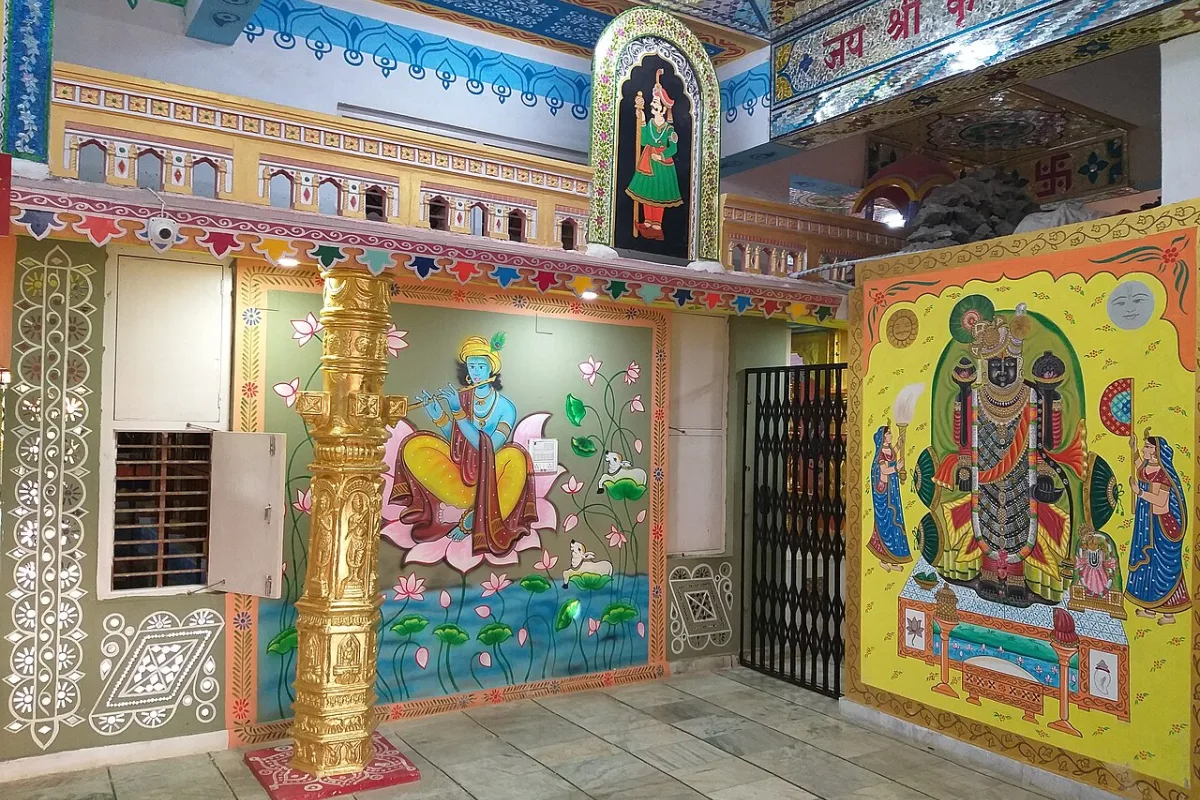
The island's main temple is dedicated to Lord Krishna. Tradition holds that he lived here with his family — Rukmini, Jambavati, Satyabhama, and others. The sanctum holds a beautiful Dwarkadhish idol and draws the largest crowds on the island. The architecture is simpler than the main Dwarkadhish Temple in town, but for devotees the setting carries its own weight.
Sankat Mochan Hanuman Temple
A temple dedicated to Lord Hanuman, believed to be very powerful in removing obstacles and difficulties from devotees' lives. The temple is located near the main Dwarkadhish Temple on the island and is visited by every pilgrim who comes to Bet Dwarka.
Other Shrines
Bet Dwarka has several smaller temples and shrines, including those dedicated to Lakshmi Narayan, Lord Shiva, and various forms of Krishna. The island also has the Aboti Dargah, a mosque reflecting the region's long history of Hindu-Muslim coexistence. Remnants of the island's trading heritage can still be seen along the coastal paths.
Shankhodhar Beach
The western and southern shores of Bet Dwarka open onto quiet stretches of sand known collectively as Shankhodhar Beach. Unlike the developed beaches near mainland Dwarka, Shankhodhar Beach retains a raw, devotional character — fishing boats rest on the sand, and pilgrims often pause here after temple darshan to watch the Arabian Sea.
The beach takes its name from the island's ancient title, Shankhodhar. Local fishermen launch traditional wooden boats from these shores, and at low tide you can walk along the waterline between the jetty area and the temple precinct. The sand is fine and pale, and the water is generally calm on the leeward side of the island, though swimming is not officially supervised.
Shankhodhar Beach is not a commercial tourist beach — there are no water sports operators or beach shacks. Instead, it offers a peaceful counterpoint to the temple crowds. Sunrise and late afternoon are the best times to visit, when the light turns golden over the sea and the fishing community is most active. Carry water and wear comfortable shoes, as the paths between the beach and temples are sandy.
Best Time to Visit Bet Dwarka
The ideal season for visiting Bet Dwarka is October through March, when temperatures are moderate (20–30°C) and both ferry and road access are reliable. Winter months also coincide with major festivals — Janmashtami and Diwali draw large pilgrim crowds, so plan extra time for queues at the island temples.
April and May are hot (35–40°C) but manageable if you start early in the morning. The monsoon season (June–September) brings rough seas that can suspend ferry services for days at a stretch; road access via Sudarshan Setu remains the safer option during this period. Even in monsoon, morning visits are possible on clear days.
Weekday mornings offer the calmest experience with shorter ferry waits and fewer temple crowds. Avoid visiting only on weekends during peak pilgrimage season (December–January) unless you have a full day to spare. Allow 3–4 hours for the complete round trip from Dwarka, including crossing and island exploration.
Tips
Carry water and some snacks — food options on the island are limited. Wear comfortable shoes; you'll walk on sand between temples. Mornings are cooler and less crowded. Keep your ferry ticket for the return crossing if you're going by boat. Photography is fine on the ferry and around the island, but not inside temple sanctums. Dress modestly out of respect for the shrines.
The most efficient way to visit Bet Dwarka is to hire a taxi for the full Dwarka sightseeing circuit: Dwarkadhish Temple (morning aarti) → Nageshwar Jyotirlinga → Gopi Talav → Bet Dwarka via Sudarshan Setu or Okha ferry → Rukmini Devi Temple → evening aarti at Dwarkadhish Temple. This full-day tour costs ₹1,500–₹2,500 by taxi.
Timings
Ferries from Okha typically run from roughly 6:00 AM to 7:00 PM, with the first boats leaving once enough passengers gather and the last return tightening near sunset — confirm at the jetty counter the morning you travel. Road access via Sudarshan Setu is available around the clock, though night crossings are uncommon for pilgrims. Island temple darshan follows general shrine hours: plan 8:00 AM–12:00 PM and 4:00 PM–7:00 PM windows, with queues longest between 10 AM and noon on weekends. Allow 3–4 hours total from Dwarka town including crossing and walking between shrines.
Bet Dwarka fits naturally on day two of a Dwarka itinerary: after Mangala aarti at the Dwarkadhish Temple, hire a taxi for the outer loop and return in time for Sandhya aarti. Winter pilgrims should carry a light windcheater — the open sea crossing and island paths stay breezy even when mainland Dwarka feels warm.
Ferry vs Bridge — What Locals Choose
I have crossed to Bet Dwarka both ways across many Janmashtami seasons. When the sea is calm (October–March), the Okha ferry still feels like the pilgrimage our grandparents described — salt air, wooden deck, ₹20–₹40 ticket, fifteen minutes of open water. When monsoon swell builds or the last-boat clock is ticking, I tell family to use Sudarshan Setu without guilt: darshan matters more than nostalgia. A practical split many Dwarka taxis follow: bridge out in the morning for reliability, optional ferry back only if the jetty counter shows normal service.
| Route | Distance / time | Typical cost | Monsoon note |
|---|---|---|---|
| Okha ferry | 15–20 min crossing | ₹20–₹40 one way | May pause in rough seas |
| Sudarshan Setu | ~2.32 km bridge + island drive | Toll + taxi share | Usually open year-round |
| Dwarka town → Okha jetty | ~30 km, 45–60 min | Taxi ₹600–₹800 one way | Same road either route |
Half-Day Itinerary from Dwarka Town
If you are staying near Dwarkadhish Temple, I suggest leaving by 7:30–8:00 AM after a light breakfast. Taxi to Nageshwar (45 min) → short stop at Gopi Talav → Bet Dwarka via bridge or ferry → return through Rukmini Devi Temple before 4:30 PM so Sandhya aarti is still relaxed. Full-day hire ₹1,500–₹2,500 beats negotiating each leg separately. Carry ₹500 cash for ferry, prasad, and island tea stalls — UPI works at some counters but not all.
Monsoon and Sea-State Caveats
Between June and September I check Okha jetty WhatsApp groups and hotel desk notes before promising family a boat ride. When swell exceeds safe limits, counters close without much warning and everyone pivots to Sudarshan Setu. Even on bridge days, island paths stay slippery and wind cuts through cotton kurtas — carry a light rain layer. Post-monsoon October mornings are the sweet spot: calm sea, shorter queues, and fishermen selling fresh chai near the jetty for ₹10–₹15.
Local tip from our editor
If you are taking the classic Okha ferry, ask your auto to drop you near the passenger ticket side rather than the general market lane, because that saves a long walk through the crowd. For the smoothest darshan, reach before 9 AM, carry small cash for ferry tickets and prasad, and keep a bottle of water because the island paths stay bright and windy by late morning.
Common mistake
Many pilgrims assume the last return boat will always be available and linger too long on the island. In rough weather or on quieter days, the practical return window can tighten earlier than expected.
Verify before you go
Confirm locally whether the Okha ferry is running normally, what the last practical return timing is, and whether the bridge or jetty route is faster that day.
Planning tip: Sudarshan Setu is faster and more reliable in monsoon; the Okha ferry (₹20–40) is the classic sea crossing. Plan 3–4 hours round trip from Dwarka. Day-wise itinerary planner →
Plan Your Dwarka Trip
Written by
Lead Editor & Pilgrimage Guide · Independent Dwarka travel guide
Last updated: August 17, 2026
Frequently Asked Questions
Common Questions About Dwarka
Temple timings, how to get there, what to wear, how much to budget — the things pilgrims ask us most often.
Drive or take a taxi via Sudarshan Setu (road bridge), or go to Okha Jetty (~30 km) and take a 15–20 minute ferry.
Yes. Sudarshan Setu connects the mainland to Bet Dwarka by road, so you can visit without a ferry.
Standard public ferries cost about ₹20–₹40 per person one way.
Ferries typically run from early morning (~6–8 AM) until evening (~5–7 PM). Confirm locally, especially in monsoon.
Other Places to Visit in Dwarka
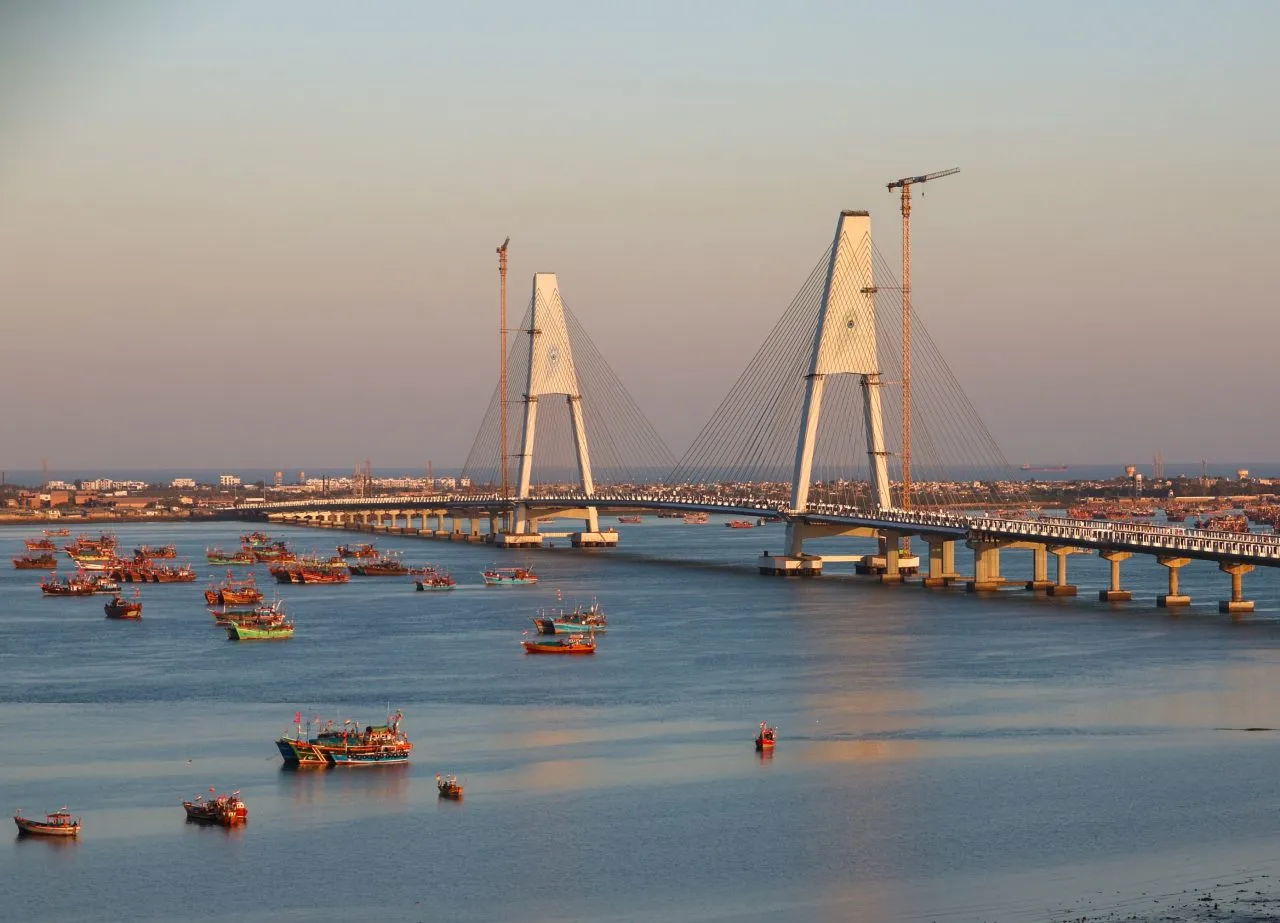
Sudarshan Setu
India's longest cable-stayed bridge from Okha to Bet Dwarka — engineering specs, Krishna-themed walkways, solar panels, and how pilgrims actually use it.
Read more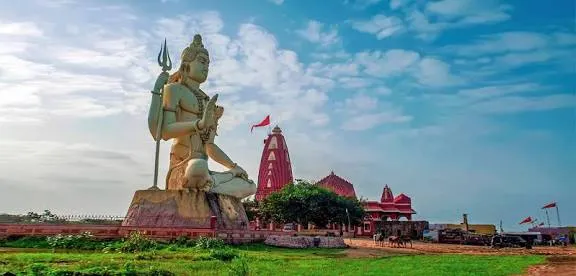
Nageshwar Jyotirlinga
One of the twelve Jyotirlingas of Lord Shiva, 18 km from Dwarka on the road to Bet Dwarka — usually the first stop on a day trip out of town.
Read more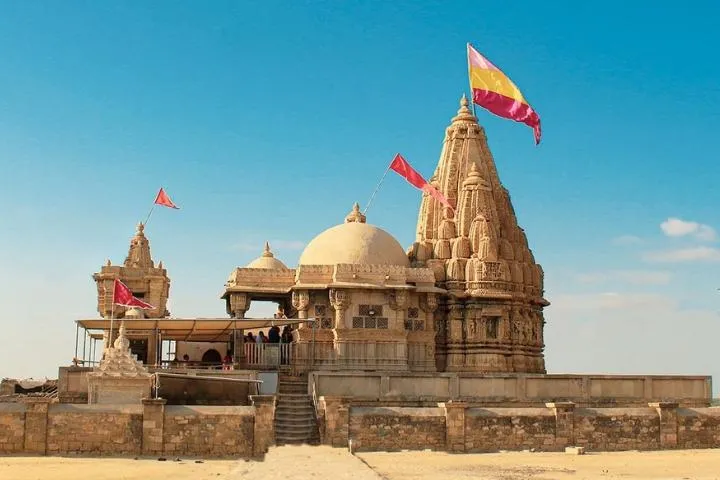
Rukmini Devi Temple
A small 12th-century temple with fine carvings, dedicated to Rukmini — Krishna's chief queen — 2 km from the Dwarkadhish Temple.
Read morePlanning Your Trip to Dwarka?
Darshan timings, how to get there, nearby temples, where to stay — we've put it all together so you can focus on the pilgrimage. Jai Dwarkadhish.