Sacred Ghat
Gomti Ghat
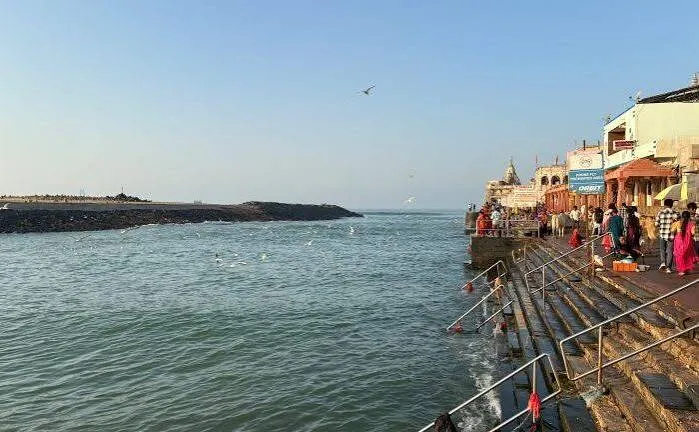
The bathing ghat where the Gomti River meets the Arabian Sea — pilgrims dip here before climbing the 56 steps through Swarga Dwar into Dwarkadhish Temple.
Timings
Open 24 hours (best at sunrise and sunset)
Distance
At the base of the Dwarkadhish Temple
Entry Fee
Free entry
Best Time
Sunrise (for bathing) and sunset (for views)
Gomti Ghat is where the Gomti River flows into the Arabian Sea — a sangam (confluence) that pilgrims consider especially purifying. It sits at the base of the Dwarkadhish Temple, and for centuries devotees have bathed here before climbing the 56 steps through Swarga Dwar for darshan. Small shrines line the ghat, including Samudra Narayan Temple at the sangam point, and the temple shikhara rises above the water in one of Dwarka's most familiar views.
History
In Hindu tradition, a river meeting the sea is a sacred spot. The Gomti–Arabian Sea sangam at Dwarka is among the most revered in India. Pilgrims believe bathing here cleanses sins and prepares the heart for Krishna's darshan. The ritual — dip at the ghat, then enter the Dwarkadhish Temple through Swarga Dwar — is still how many complete their Dwarka pilgrimage.
The Gomti River itself is considered holy. It is one of the sacred rivers of India, and the one at Dwarka is believed to be a branch of the original Gomti that flows through Uttar Pradesh. According to legend, a sage brought the waters of the Gomti to Dwarka so that Krishna and his people could have access to the holy river. The river flows through the town and meets the sea at the ghat, creating the sacred sangam.
Holy Dip at Gomti Ghat
The traditional Dwarka pilgrimage begins at Gomti Ghat. Pilgrims arrive early in the morning, before sunrise, and descend the 56 steps from the Dwarkadhish Temple's Swarga Dwar (the Gate of Heaven) to reach the ghat. The ritual proceeds as follows:
- Holy bath (snan): Pilgrims bathe in the waters at the sangam, where the river meets the sea. This is believed to purify the body and soul.
- Tarpan: After the bath, devotees offer tarpan — offerings of water to their ancestors. This is done facing the sun, with cupped hands pouring water back into the river.
- Prayers at Samudra Narayan Temple: Pilgrims then visit the Samudra Narayan Temple at the sangam point to offer prayers to Lord Vishnu.
- Ascent through Swarga Dwar: Only after completing the bath and prayers do pilgrims climb back up the 56 steps and enter the Dwarkadhish Temple through the Swarga Dwar for darshan.
This sequence — bath, tarpan, prayers, then darshan — is the traditional and most auspicious way to complete the Dwarka pilgrimage.
Timings
While the morning bath ritual is the most famous tradition at Gomti Ghat, the ghat comes alive again in the evening when devotees gather for prayers and aarti ceremonies along the riverbank. The evening atmosphere is quieter and more contemplative than the bustling morning rush.
The Samudra Narayan Temple at the sangam point is especially beautiful at sunset, when the light reflects off the water and the temple shikhara of the Dwarkadhish Temple rises in the background. Many pilgrims time their evening visit to coincide with the Sandhya aarti at the main temple.
Boats are available for a short ride to the exact sangam point in the middle of the river, where the Gomti meets the Arabian Sea. This boat ride is popular in the evening when the sea breeze picks up and the sky turns orange and pink over the water.
Sudama Setu & Gomti Ghat
Near Gomti Ghat is Sudama Setu, a pedestrian suspension bridge over the Gomti River to the Panchkui Tirth area. Named after Sudama, Krishna's childhood friend, it gives wide views of the Dwarkadhish Temple, the river, and the sea. A morning walk across is especially pleasant. Open 7 AM–1 PM and 4 PM–7:30 PM; small entry fee.
Tips
Come at sunrise for the calmest experience, and pair your bath with the morning Mangal Aarti at the temple. The steps can be slippery at high tide and during monsoon — tread carefully. Bring a change of clothes if you plan to bathe; there are small changing areas nearby. Don't leave valuables unattended. Boats run to the exact sangam point in mid-river. The view of the Dwarkadhish Temple shikhara from the ghat at sunset is one of Dwarka's signature sights.
Gomti Snan and Ritual Details
Pilgrims who perform Gomti snan typically descend from the Dwarkadhish Temple side through Swarga Dwar, offer prayers at the small shrines along the steps, and then bathe at the point where the river meets the sea — the sangam — either by wading from the ghat or by taking a short boat to mid-stream when operators are running. Carry a spare set of clothes in a simple bag; changing areas exist near the main steps but get crowded after 8 AM. Soap and shampoo are discouraged; most devotees bathe, recite a short mantra, and offer floating lamps or flowers. The steps become slippery at high tide and during monsoon, so elders often bathe from the upper platforms while younger family members go deeper. After snan, many walk directly to Sudama Setu or return uphill for darshan — plan footwear you can remove quickly. Evening aarti at the ghat draws smaller crowds than the temple courtyard but is worth timing if you want lamps on the water with the Dwarkadhish shikhara in the background.
History
The Gomti is a sacred tributary of the Ganges believed to have been brought to Dwarka at Krishna's request, so pilgrims could bathe without travelling north. Gomti Ghat sits below the Dwarkadhish Temple's Swarga Dwar — the 56 steps down are part of the traditional pilgrimage sequence. Ritual bathing here before darshan is considered especially meritorious during Kartik month and on solar eclipses.
How to Reach
Gomti Ghat is a 5-minute walk south from the main temple through Swarga Dwar. From the railway station (1.5 km), an auto costs ₹30–₹50. Sudama Setu connects the ghat to Panchkui Tirth across the river — useful for a wider walk without doubling back through the bazaar.
Timings
The ghat is accessible 24 hours, but ritual bathing and aarti follow temple rhythms: morning snan peaks 5–8 AM; Sandhya aarti at the ghat aligns with evening temple aarti (~7 PM). Boat rides to the sangam point run in daylight when tides permit — ask locally. Low tide exposes more steps; high tide can cover lower landings.
Tips
Carry a spare set of clothes in a simple bag for snan; use footwear you can remove quickly. Keep valuables with a family member on the steps — do not leave phones scattered while bathing. The calmest bathing stretch is early morning before the temple-side rush. Women may prefer the busier central steps for safety in numbers.
Gomti Snan — Step by Step
I take my Gomti dip at sunrise when the steps below Swarga Dwar are manageable. Flow: deposit footwear at the stall (₹5–₹10 tip appreciated), descend slowly — algae makes some steps slick after monsoon — dip three times if your family tradition says so, then dry off before entering Dwarkadhish Temple. Women often use the slightly calmer stretch left of the main stair when tide is low.
Boat to Panchkui / Sangam Point
Short boat rides from Gomti to the sangam area cost roughly ₹20–₹50 per person when operators are active; monsoon and high tide pause them. Sudama Setu footbridge is the year-round alternative to reach the opposite bank. Evening aarti at the ghat draws crowds — if you only want snan, finish before 9:00 AM.
| Ritual item | Typical cost | Where |
|---|---|---|
| Flowers & diya | ₹20–₹50 | Ghat entrance stalls |
| Locker / shoe stand | ₹5–₹20 | Steps near Swarga Dwar |
| Boat (when running) | ₹20–₹50 | Ghat operators |
Evening Aarti and Crowd Flow
Sandhya aarti at Gomti draws hundreds — arrive 30 minutes early for a stable spot on upper steps if you only want to watch, not bathe. Diyas float downstream; photography allowed on ghats but be respectful of bathers. After aarti, lanes back to Dwarkadhish Temple clog with prasad shoppers — I wait ten minutes for the first rush to clear.
History — Gomti Meets the Sea
Scripture places Gomti as Ganga's sister reaching the sea at Krishna's city — that is why snan here precedes Dwarkadhish darshan for many Gujarati families. The ghat steps were expanded over decades; Sudama Setu now links both banks for pilgrims who skip boats. Early medieval accounts mention Dwarka as a port where Gomti mouth shifted with coastal erosion — today's ghat is maintained for ritual, not cargo, but the sangam symbolism stays powerful when you dip at dawn and walk straight up to Swarga Dwar.
Tips for Gomti Ritual Bathers
Bath before Dwarkadhish, not after — tradition and practical crowd flow both favour snan first. Locker ₹5–₹20; watch footwear. Women may prefer modest change wrap behind companion shield. Monsoon steps slippery — use side rail. After snan, wet clothes: many hotels allow quick change if you return within the hour.
Local tip from our editor
For a ritual dip, carry a spare set of clothes in a simple plastic-free bag and use footwear you can remove quickly on the steps. The calmest bathing stretch is usually earlier in the morning before the temple-side rush builds, especially near the main access steps below Swarga Dwar.
Common mistake
Pilgrims often leave phones, wallets, or sandals scattered on the steps while going down for snan, which creates needless confusion in the crowd.
Verify before you go
Ask locally about tide conditions, boat availability to the sangam point, and whether any section of the ghat steps is temporarily slippery or restricted.
Planning tip: Best at sunrise or sunset. Watch your footing on the steps at high tide. Boats can take you to the sangam point in mid-river. Day-wise itinerary planner →
Plan Your Dwarka Trip
Written by
Lead Editor & Pilgrimage Guide · Independent Dwarka travel guide
Last updated: August 17, 2026
Frequently Asked Questions
Common Questions About Dwarka
Temple timings, how to get there, what to wear, how much to budget — the things pilgrims ask us most often.
Gomti Ghat is where the Gomti River meets the Arabian Sea. Bathing here before temple darshan is a long-standing purification ritual.
Pilgrims descend 56 steps from Swarga Dwar of the Dwarkadhish Temple to reach the ghat.
Other Places to Visit in Dwarka
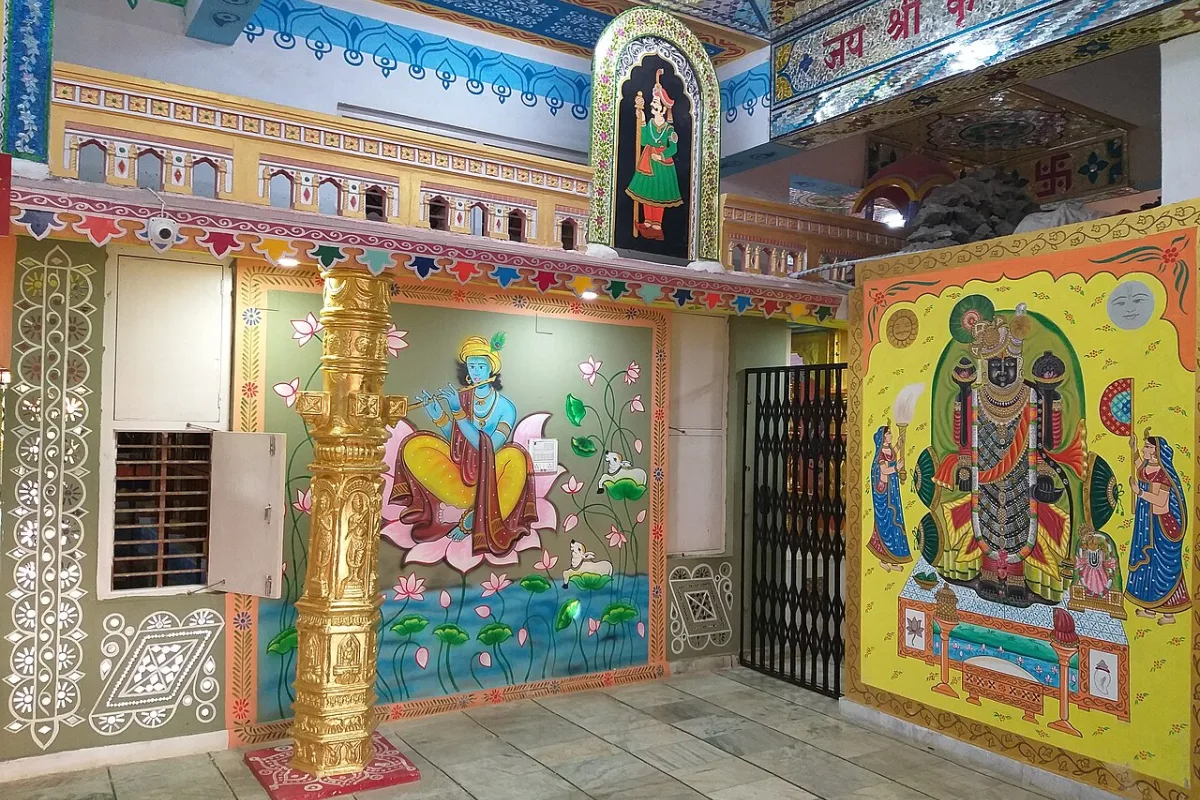
Bet Dwarka
Krishna's island home in the Arabian Sea — reach it by road over Sudarshan Setu or the traditional ferry from Okha.
Read more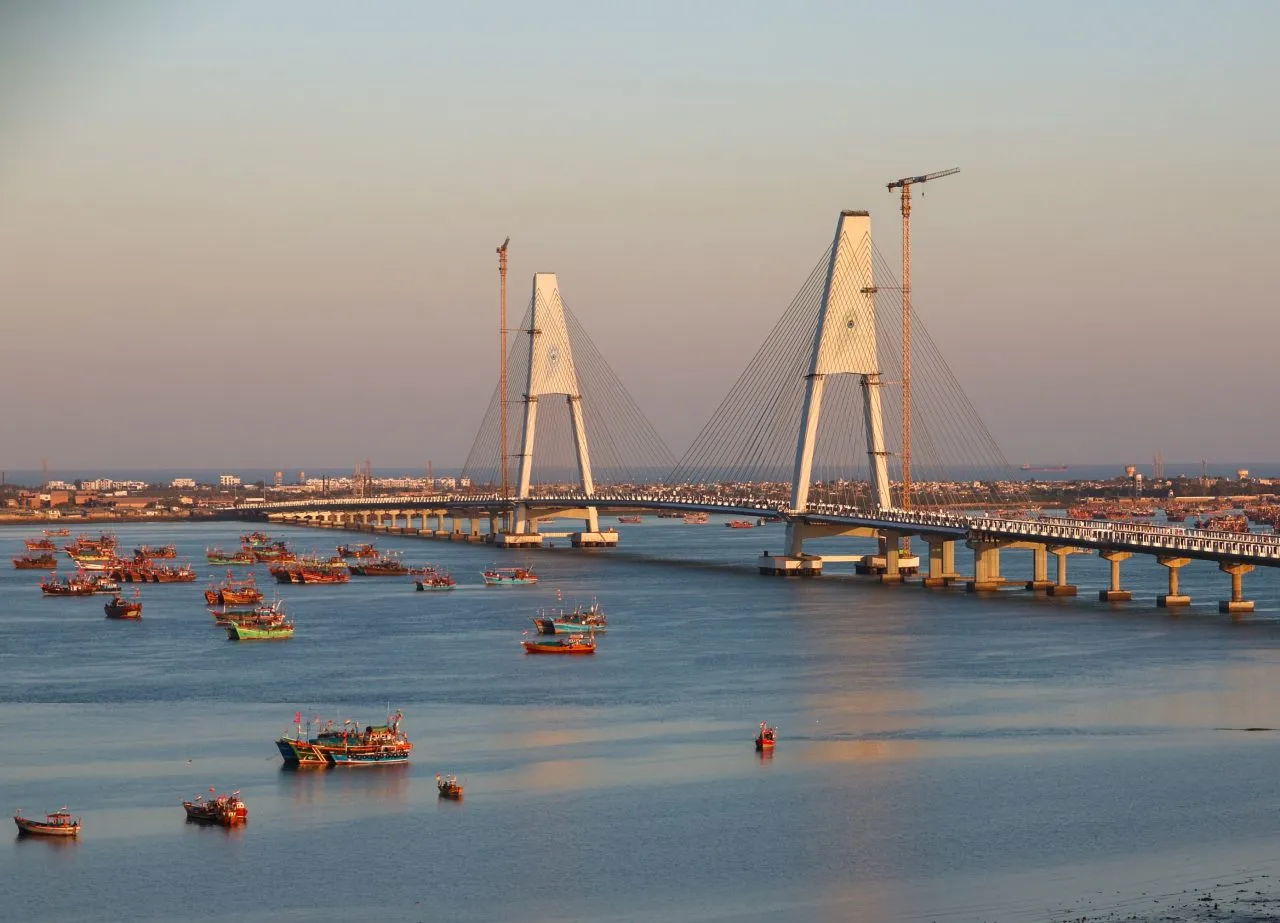
Sudarshan Setu
India's longest cable-stayed bridge from Okha to Bet Dwarka — engineering specs, Krishna-themed walkways, solar panels, and how pilgrims actually use it.
Read more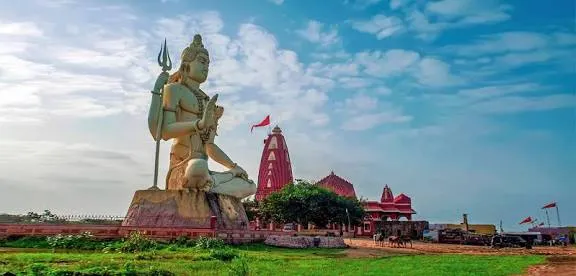
Nageshwar Jyotirlinga
One of the twelve Jyotirlingas of Lord Shiva, 18 km from Dwarka on the road to Bet Dwarka — usually the first stop on a day trip out of town.
Read morePlanning Your Trip to Dwarka?
Darshan timings, how to get there, nearby temples, where to stay — we've put it all together so you can focus on the pilgrimage. Jai Dwarkadhish.