Jagat Mandir Schedule
Dwarkadhish Temple Darshan Timings
Daily open hours, aarti slots, and what to expect during the afternoon break — so you can plan your visit without wasted waiting.
Morning
6:30 AM – 1:00 PM
Afternoon break
~1:00 PM – 5:00 PM
Evening
5:00 PM – 9:30 PM
General darshan
Free entry
On this page
Full Day Aarti Timetable
The Dwarkadhish Temple (Jagat Mandir) runs on a fixed daily rhythm of aartis and darshan windows. If you arrive without checking the schedule, you may end up waiting through the afternoon closure or miss Mangal Aarti altogether.
The day falls into three blocks: morning (roughly 6:30 AM–1:00 PM), afternoon closure (~1:00–5:00 PM), and evening (5:00 PM–9:30 PM). Pair this page with our travel tips and itinerary planner to fit sightseeing around the temple break.
General darshan is free. On festival days like Janmashtami and Kartik Purnima, timings can shift — check the notice board when you arrive.
Morning
6:30 AM – 1:00 PM
Mangal Aarti, cooler weather, shorter queues early. Best window for elders and first-time visitors.
Closed
~1:00 – 5:00 PM
Afternoon break for rituals and rest. Ideal block for Bet Dwarka, Nageshwar or lunch near Gomti Ghat.
Evening
5:00 – 9:30 PM
Sandhya and Shayan aarti, lamp-lit shikhara views. Arrive by 5:00–5:30 PM on weekends.
Morning Darshan Schedule
Mangal Aarti is usually at 6:30 AM and is the most sought-after slot of the day. Reach by 6:00–6:10 AM, leave your phone at the locker, and get in the queue early.
After Mangal Aarti, general morning darshan continues until Rajbhog around noon. Cooler weather and shorter queues make this the best window for elders and first-time visitors.
Deposit phones, cameras and leather items at the official lockers before joining the queue. At peak hours, this step alone can add 10–20 minutes.
Mangal Aarti opens the day — conch, bells, and the first darshan of adorned Krishna. Arrive by 6:00 AM on weekends. Abhishek is the ritual bath of the deity, often before public darshan resumes. Shringar is the adornment with fresh clothes and jewellery — the sanctum may close briefly while priests complete this. Rajbhog is the noon food offering marking the end of the morning session.
Morning schedule
| Ritual | Time |
|---|---|
|
Mangal Aarti Most auspicious start; arrive 20–30 min early |
6:30 – 7:00 AM |
|
Morning darshan General darshan after Mangal |
7:00 – 8:00 AM |
|
Abhishek / Shringar Sanctum may briefly close for adornment |
~8:00 – 9:30 AM |
|
Mid-morning darshan Busy with day-trippers; still good for families |
9:30 AM – 12:00 PM |
|
Rajbhog Aarti Noon offering before afternoon break |
~12:00 – 12:30 PM |
|
Temple closed Ideal for Bet Dwarka / Nageshwar circuit |
~1:00 – 5:00 PM |
Shringar Darshan and Abhishek
Between roughly 8:00 and 9:30 AM, the sanctum may briefly close for Abhishek and Shringar — the ritual bathing and adornment of the deity. During this window, general darshan pauses while priests complete the morning offerings.
Once Shringar is complete, devotees can have darshan of the adorned form of Lord Krishna. Mid-morning darshan from 9:30 AM to 12:00 PM remains busy with day-trippers but is still comfortable for families.
Rajbhog Aarti around noon marks the final morning offering before the afternoon break. Modest traditional clothing is expected — see our dress code page for full rules.
Evening Darshan and Aarti
The temple reopens around 5:00 PM for the evening session. Queues build quickly before Sandhya Aarti, so arrive by 5:00–5:30 PM on weekends and festival days.
Sandhya Aarti is usually around 7:00–7:30 PM — a popular sunset aarti with lamp-lit shikhara views. Evening darshan continues until Shayan rituals begin later in the night.
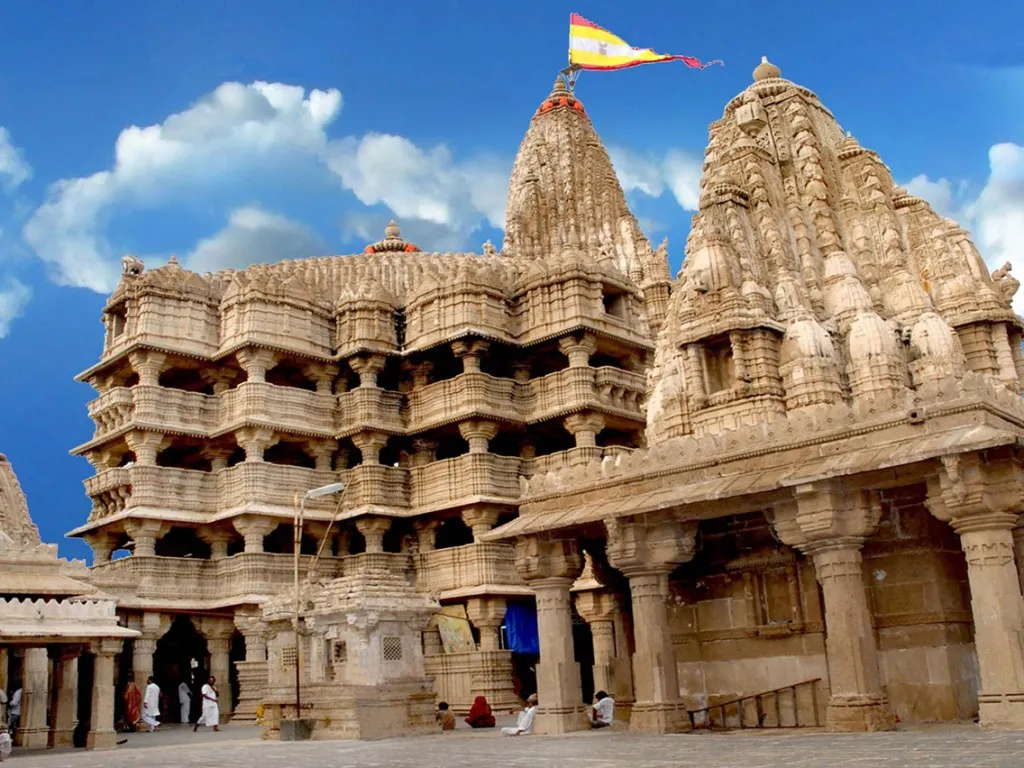
Sandhya Aarti aligns with sunset — lamps move in patterns while bells and chanting fill the courtyard. The shikhara is lit externally and the atmosphere peaks with devotees. Shayan Aarti prepares the deity for rest — quieter, shorter, and my recommendation for pilgrims who want darshan without the Sandhya crush. Pada darshan is the final glimpse before the sanctum closes for the night — do not arrive after 9 PM expecting entry.
Evening schedule
| Ritual | Time |
|---|---|
|
Evening reopening Queues build before Sandhya |
5:00 – 7:00 PM |
|
Sandhya Aarti Popular sunset aarti; arrive by 6:30 PM |
~7:00 – 7:30 PM |
|
Shayan Aarti Night closing rituals; calmer than Sandhya |
~8:30 PM |
|
Final / Pada darshan Last entry earlier — do not cut it fine |
Until ~9:30 PM |
Shayan Aarti and Final Darshan
Shayan Aarti around 8:30 PM marks the night closing rituals when the deity is prepared for rest. This session is usually quieter than Sandhya and feels more intimate.
Final or Pada darshan continues until approximately 9:30 PM, though last entry is earlier — do not leave it too late. On Janmashtami and major festivals, night programmes run longer and security checks take more time.
Carry a small cloth bag for footwear tokens and locker keys. Drink water before entering — summer queues can be long. Photography is fine outside (shikhara, Gomti Ghat) but not inside the sanctum.
VIP and Online Booking
General darshan at Dwarkadhish Temple is free. If special darshan, seva or bhog bookings are offered, use only authorized temple trust channels (commonly referenced via the official trust website).
Avoid street agents selling "VIP packages." This is an independent guide — we do not sell tickets. For clothing rules, see our dress code page.
On festival days like Janmashtami and Kartik Purnima, special seva slots may have extended queues. Check the temple notice board the evening before for any schedule changes.
What Each Aarti Means
Understanding the aarti rhythm helps you choose which session to attend. Mangal Aarti (6:30 AM) wakes the deity — the most auspicious start, with cooler air and devoted crowds who know the routine. Shringar follows the morning bath and adornment; the sanctum may briefly close while priests dress Lord Dwarkadhish in fresh garments and jewellery.
Rajbhog Aarti (~12 PM) is the noon offering before the afternoon rest — the last morning darshan window. Sandhya Aarti (~7 PM) marks sunset worship with lamps and bells; the shikhara glows and the courtyard fills with the largest evening crowd. Shayan Aarti (~8:30 PM) prepares the deity for rest — quieter, more intimate, and my recommendation for pilgrims who want devotion without the Sandhya crush.
| Booking type | Approx. cost | Where to book | Warning |
|---|---|---|---|
| General darshan | Free | Walk-in queue at Swarga Dwar | No agent needed |
| Special / VIP darshan | ₹100–₹500 (when offered) | Official temple trust counter only | Ignore street touts near Moksha Dwar |
| Seva / bhog offering | ₹500–₹5,000+ varies | Trust office or official online portal | Confirm receipt and date in writing |
| Locker deposit | ₹10–₹20 per item | Counter near main entrance | Keep token in zip pocket |
| Shoe stall | ₹5–₹10 | Outside temple gate | Do not lose the token |
Afternoon Temple Closure
The sanctum typically closes between about 1:00 PM and 5:00 PM for Rajbhog, rest, and evening preparations. Showing up at 1:30 PM expecting immediate darshan is a common mistake.
Use the afternoon break for outer sightseeing: Nageshwar, Gopi Talav and Bet Dwarka via Sudarshan Setu. Lunch near Gomti Ghat fits naturally into this window.
Be back by 5:00–5:30 PM for evening darshan. During monsoon, confirm Bet Dwarka ferry status and prefer Sudarshan Setu if ferries pause. For emergencies near the temple, keep our helpline directory bookmarked.
The outer temples — Nageshwar, Bet Dwarka, Rukmini — also observe shorter afternoon breaks (roughly 12–5 PM). Plan your taxi loop to hit Nageshwar and Bet Dwarka between 9 AM and 1 PM, then return for Rukmini before 4 PM if you want both outer circuit and evening Dwarkadhish darshan on the same day. This is tight but doable with a reliable driver who knows the schedule.
Best Time to Avoid Crowds
Shortest queues: weekday mornings between 6:30 and 8:00 AM, especially October–March. Avoid Saturday/Sunday late mornings, long weekends, and festival nights unless you accept dense crowds as part of the experience.
Evening Sandhya Aarti (around 7:00–7:30 PM) is popular but often less crushing than midday summer queues. If you dislike heat, skip April–June midday darshan entirely and use the temple’s afternoon closure for outer sightseeing.
| Time slot | Typical queue wait | Crowd level | My recommendation |
|---|---|---|---|
| Mangal Aarti (6:30 AM) | 20–45 min (weekday) | Moderate | Best overall slot; arrive 6:00 AM |
| Mid-morning (10 AM–12 PM) | 45–90 min | Heavy | Day-tripper peak; avoid weekends |
| Rajbhog (12–1 PM) | 30–60 min then closes | Moderate–heavy | Last chance before afternoon break |
| Evening reopen (5–6:30 PM) | 30–60 min building | Building | Good if you skip Sandhya rush |
| Sandhya Aarti (7 PM) | 60–120 min | Very heavy | Arrive 5:30 PM or accept outer courtyard |
| Shayan (8:30 PM) | 20–40 min | Calmer | My favourite for peaceful darshan |
| Janmashtami midnight | 2–4+ hours | Extreme | Arrive afternoon; see Janmashtami guide |
All Dwarka Temple Timings Compared
Pilgrims often visit multiple shrines in one trip. Use this comparison to plan your day around Dwarkadhish’s afternoon closure.
| Temple | Morning | Afternoon | Evening |
|---|---|---|---|
| Dwarkadhish Temple | 6:30 AM – 1:00 PM | Closed ~1–5 PM | 5:00 PM – 9:30 PM |
| Nageshwar Jyotirlinga | 5:00 AM – 12:00 PM | Closed ~12–5 PM | 5:00 PM – 9:00 PM |
| Bet Dwarka Temple | 6:00 AM – 12:00 PM | Closed ~12–5 PM | 5:00 PM – 9:00 PM |
| ISKCON Temple Dwarka | 4:30 AM – 1:00 PM | Closed ~1–4:30 PM | 4:30 PM – 8:30 PM |
| Gomti Ghat Aarti | Open all day | Open all day | Aarti ~6:30–7:30 PM |
Festival timing shifts can extend Sandhya past 8 PM and delay Shayan — on Kartik Purnima and Janmashtami, assume normal windows are approximate only. I read the notice board at Swarga Dwar the evening before any festival darshan plan. Security screening adds time on festival days; arrive 30–45 minutes earlier than the tables on this page suggest.
First-time visitors often ask whether they need to attend every aarti — you do not. One Mangal or one Sandhya plus general darshan windows is enough for a complete visit. Add Shayan only if you want a quieter closing experience without the Sandhya crowd density.
Plan Your Dwarka Trip
Plan the rest of your trip
Match your timings with routes, stay options, and day plans so nothing clashes with the afternoon break.
Frequently Asked Questions
Darshan timing FAQs
Common questions pilgrims ask before visiting Dwarkadhish Temple.
On a normal day, morning darshan runs roughly 6:30 AM to 1:00 PM and evening darshan from about 5:00 PM to 9:30 PM, with an afternoon break in between. Festival days and notice-board updates can change the exact times.
Mangal Aarti is usually at 6:30 AM. Try to reach by 6:00–6:10 AM, deposit your phone at the locker, and join the queue early.
Yes. The sanctum typically closes between about 1:00 PM and 5:00 PM for Rajbhog, rest, and preparations for the evening session.
General darshan is free. If special or VIP darshan is offered, book only through the official temple trust — not through street agents.
No. Phones, cameras, and leather items must stay in the lockers near the entrance. Keep your locker token safe.
Yes. On Janmashtami and other major festivals, aarti schedules run longer, crowds are heavy, and security checks take more time. Check the temple notice board the evening before.
Planning Your Trip to Dwarka?
Darshan timings, how to get there, nearby temples, where to stay — we've put it all together so you can focus on the pilgrimage. Jai Dwarkadhish.