Temple
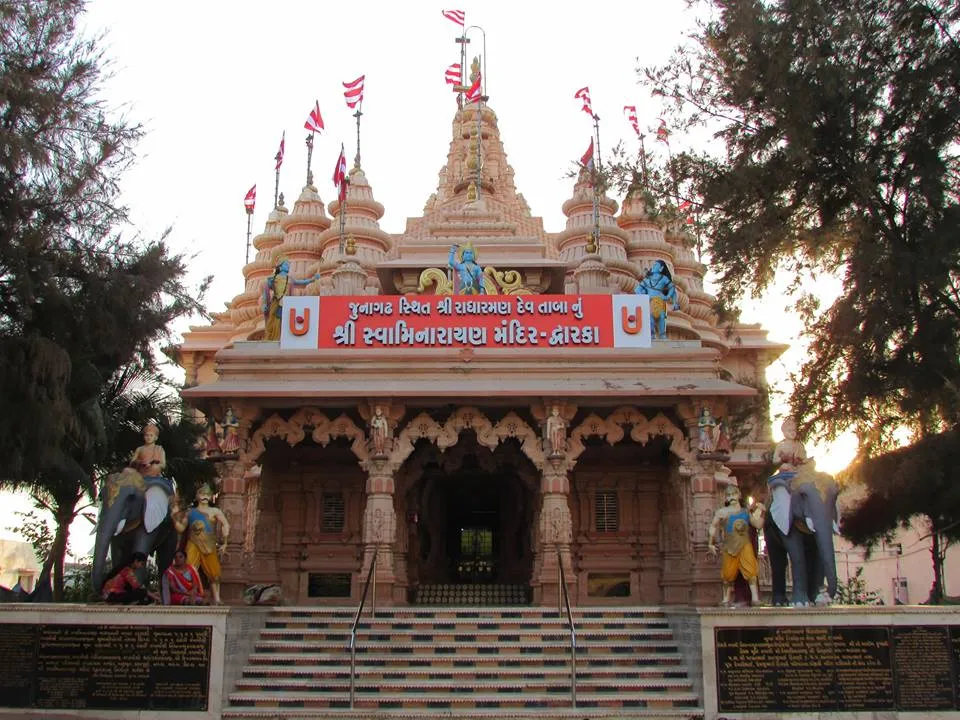
Swaminarayan Mandir Dwarka
A well-kept Swaminarayan temple with marble architecture and peaceful gardens — a quieter alternative to the busy Dwarkadhish Temple.
Timings
Morning: 7:00 AM – 11:00 AM | Evening: 4:00 PM – 7:00 PM
Distance
1.5 km from Dwarkadhish Temple
Entry Fee
Free entry
Best Time
Aarti times: 7:00 AM and 7:00 PM
The Swaminarayan Mandir in Dwarka is dedicated to Lord Swaminarayan, the 18th-century founder of the Swaminarayan Sampraday. White marble, intricate carvings, and quiet gardens give it a very different feel from the crowded Dwarkadhish Temple nearby. The complex also runs an annakshetra — a community kitchen serving free meals to pilgrims.
History
The Swaminarayan Mandir follows the traditional Swaminarayan style — white marble, carved pillars, and a quiet central courtyard. The sanctum holds the central idol of Lord Swaminarayan, flanked by other deities of the sampraday. Like other Swaminarayan temples, it's kept spotlessly clean.
The complex includes a prayer hall, gardens, and the annakshetra (community kitchen). White marble in the afternoon sun and well-tended gardens make it a pleasant stop away from the main temple crowds.
Timings
The temple is open daily with the following general timings:
- Morning Darshan: 7:00 AM – 11:00 AM
- Evening Darshan: 4:00 PM – 7:00 PM
- Morning Aarti: 7:00 AM
- Evening Aarti: 7:00 PM
The aarti times — 7 AM and 7 PM — are when the temple fills with devotional singing and the ritual waving of lamps before the deities.
Religious Significance & BAPS
The Swaminarayan Sampraday is a Hindu sect founded by Lord Swaminarayan (1781–1830), who is revered as an avatar of God by his followers. The sampraday has a significant presence in Gujarat, and the Dwarka temple is one of many Swaminarayan temples across the state.
One of the most notable features of the Swaminarayan Mandir is its annakshetra — a community kitchen that serves free or heavily subsidised meals to pilgrims and visitors. This tradition of feeding the hungry is central to the Swaminarayan Sampraday, which emphasises seva (selfless service).
How to Reach
The temple is located 1.5 km from the Dwarkadhish Temple, a short distance from the main Dwarka bus stand. You can reach it by:
- Walking: A pleasant 15-minute walk from the main temple area.
- Auto-rickshaw: A 5-minute ride costing ₹30–₹50.
The temple is close to the Rukmini Devi Temple, so both can be visited together in the same trip. Most local sightseeing taxis include the Swaminarayan Mandir as a stop on the Dwarka circuit.
Festivals at Swaminarayan Mandir
The Swaminarayan Mandir celebrates major festivals with special decorations, extended darshan hours and community feasts. Swaminarayan Jayanti (the birth anniversary of Lord Swaminarayan, typically in April) is the most important festival, marked by elaborate aartis, bhajans and annakshetra feasts for thousands of devotees.
Diwali and Annakut (Govardhan Puja) are also celebrated with great devotion, featuring mountain displays of vegetarian food offerings before the deities. During Holi, the temple hosts a joyful celebration with devotional singing and coloured powder. Festival weeks draw larger crowds, so arrive early for darshan.
Annakshetra and Seva Culture
The annakshetra at Swaminarayan Mandir feeds pilgrims as part of the sampraday's seva tradition — meals are simple, vegetarian, and usually served in a hall near the kitchen block rather than in the main sanctum area. Service windows vary by day and festival load; the temple office can tell you if lunch is running before you queue. Seating is often on the floor in traditional style; wash hands at the provided taps before entering the hall. Donations are voluntary and separate from darshan — no ticket is required for the meal itself when service is open. During Swaminarayan Jayanti and Diwali annakut, timings expand and crowds swell; arrive before noon on those days if you want a calmer plate.
Quieter Darshan Alternative
When the Dwarkadhish Temple courtyard is packed for aarti, this mandir offers white-marble calm ten minutes away by foot. Morning darshan from 7 AM and evening aarti at 7 PM are the peak devotional moments; mid-morning hours between 9 and 11 AM are often the easiest for unhurried photography of the carved pillars and courtyard — always ask before shooting inside the sanctum. Combine with Rukmini on the same auto loop from the bus-stand side of town to avoid cutting back through the busiest market lanes twice in one day.
Marble Courtyard and Photography
The carved pillars and central dome photograph well from the courtyard in morning shade — ask a sevak before shooting toward the sanctum. Shoes stay outside the main gate; socks are fine on hot marble. Festival weeks add annakut displays and longer queues at the shoe stand — a small bag for footwear saves searching among dozens of pairs.
Combining with Rukmini and ISKCON
Auto drivers know this temple as a standard third stop after Dwarkadhish and Rukmini on the town half-day loop. Fixed fare of ₹80–₹120 for three stops beats three separate negotiations from the bazaar. Evening aarti at 7 PM is shorter than Jagat Mandir Sandhya — good for families who want lamp ritual without the largest crowds.
History
The Swaminarayan Mandir in Dwarka belongs to the Swaminarayan Sampraday founded by Lord Swaminarayan (1781–1830). White marble construction, carved pillars, and the annakshetra community kitchen reflect the sect's emphasis on clean worship and seva. It offers a quieter alternative to the crowded main Krishna temple.
How to Reach
Located 1.5 km from the Dwarkadhish Temple near the bus stand. Walk 15 minutes, or auto ₹30–₹50. Standard sightseeing autos include it with Rukmini and ISKCON on the town loop (₹80–₹120 for three stops).
Timings
Morning darshan 7:00 AM – 11:00 AM; evening 4:00 PM – 7:00 PM. Aarti at 7:00 AM and 7:00 PM — the peak devotional moments. Annakshetra lunch service varies; ask the office before queuing.
Tips
Free vegetarian meals when annakshetra is open — donations voluntary. Shoes off at the gate; socks fine on hot marble. Mid-morning 9–11 AM is calmest for courtyard photography (ask before shooting toward the sanctum). Evening aarti here is shorter than Jagat Mandir Sandhya — good for families.
Tips
When Jagat Mandir crowds peak for aarti, this mandir offers marble-courtyard calm 10 minutes away on foot. Annakshetra meals are simple, vegetarian, and floor-seated — wash hands at the taps before entering. Donations are voluntary and separate from darshan. Festival weeks (Swaminarayan Jayanti, Diwali annakut) extend queues at the shoe stand — travel light.
Auto loops from the bus-stand side reach this mandir without cutting through the busiest Swarga Dwar lanes — ask for Rukmini–Swaminarayan–ISKCON as one hop. Evening aarti at 7 PM is shorter than Jagat Mandir Sandhya, useful for tired families.
Annakshetra and Quiet Darshan
When Dwarkadhish queues stretch past an hour, I slip to Swaminarayan Mandir for marble courtyard peace. Annakshetra (free meal) runs around midday — ask office staff, do not assume continuous service. Photography of exterior marble is usually fine; follow posted signs inside.
Timings and Festival Weeks
| Session | Hours (typical) | Crowd |
|---|---|---|
| Morning darshan | ~7:30 AM – 12:00 PM | Low–moderate |
| Afternoon | ~12:00 – 4:00 PM | Quieter |
| Evening aarti | ~6:30 – 8:00 PM | Higher on Sundays |
About 1 km from Dwarkadhish Temple — walkable. Combine with Rukmini Temple auto loop (₹80–₹120 total hops). Swaminarayan Jayanti and Diwali decorate the compound beautifully — add thirty minutes for courtyard viewing.
Architecture and Calm Darshan
White marble, carved pillars, and silent shoe racks make this my recommendation for relatives overwhelmed by Dwarkadhish noise. Wheelchair access is easier than ancient ghat steps. Festival lighting during Diwali week is worth a second evening visit — same ₹30–₹50 auto from temple belt, 10 minutes in clear traffic.
Tips for a Peaceful Visit
Remove shoes at designated racks; socks optional on hot marble. Annakshetra — eat quietly, no waste. Photography: exterior yes, interior check signs. Less crowded than Dwarkadhish during main aarti hours — use as spiritual break. Festival weeks (Swaminarayan Jayanti) add evening light displays; arrive 30 minutes before sunset for courtyard glow.
History — BAPS Presence in Dwarka
Swaminarayan tradition built this marble mandir to serve pilgrims seeking structured darshan and annakshetra — cleaner queues than peak Dwarkadhish hours. Architecture follows Akshardham design language on a smaller scale. Festival weeks add evening lighting worth a second visit.
How to Reach and Parking
1 km from Dwarkadhish — 15-minute walk via Lane Road. Auto ₹30–₹50; limited car parking at gate. Shoe racks inside; wheelchair ramp at main entrance unlike older ghats. Annakshetra 12–2 PM approximate — confirm morning of visit. Evening marble glow 6–7 PM best for calm photography without flash.
Timings — Aarti Schedule
Morning aarti ~7:30 AM; evening ~6:30 PM — confirm at office. Afternoon 12–4 PM calmest for elderly. Annakshetra not continuous — ask before waiting hungry.
Tips — Photography and Silence
Marble courtyard photos yes; interior follow posted rules. Maintain silence in prayer hall — phones on vibrate. Less pushy vendors than main temple market lanes.
Quiet Alternative
When Dwarkadhish queue exceeds 90 minutes, I send elders here for calm darshan and marble courtyard rest before evening aarti return.
Evening Marble Glow
Arrive 30 minutes before sunset for courtyard photography; white marble reflects golden light without needing flash.
Distance from Dwarkadhish
Roughly 1 km by Lane Road — 15-minute walk or ₹30–₹50 auto when the main temple area is packed.
Local tip from our editor
This is a good reset stop when the main Dwarkadhish area feels crowded, especially around the morning or evening aarti. If you want to use the annakshetra, ask at the temple office first instead of assuming the meal service is continuous throughout darshan hours.
Common mistake
Many travellers pass by because it is not part of their strict Krishna circuit and miss one of the cleanest, quietest temple compounds in town.
Verify before you go
Confirm the aarti timing you want, whether annakshetra service is running that session, and if any part of the complex is reserved for a festival event.
Planning tip: Aarti at 7 AM and 7 PM. A short walk from the main Dwarka bus stand. Day-wise itinerary planner →
Plan Your Dwarka Trip
Written by
Lead Editor & Pilgrimage Guide · Independent Dwarka travel guide
Last updated: August 17, 2026
Frequently Asked Questions
Common Questions About Dwarka
Temple timings, how to get there, what to wear, how much to budget — the things pilgrims ask us most often.
Yes, the temple runs an annakshetra (community kitchen) offering wholesome vegetarian meals to pilgrims.
Morning aarti is at 7:00 AM and evening aarti is at 7:00 PM.
Other Places to Visit in Dwarka
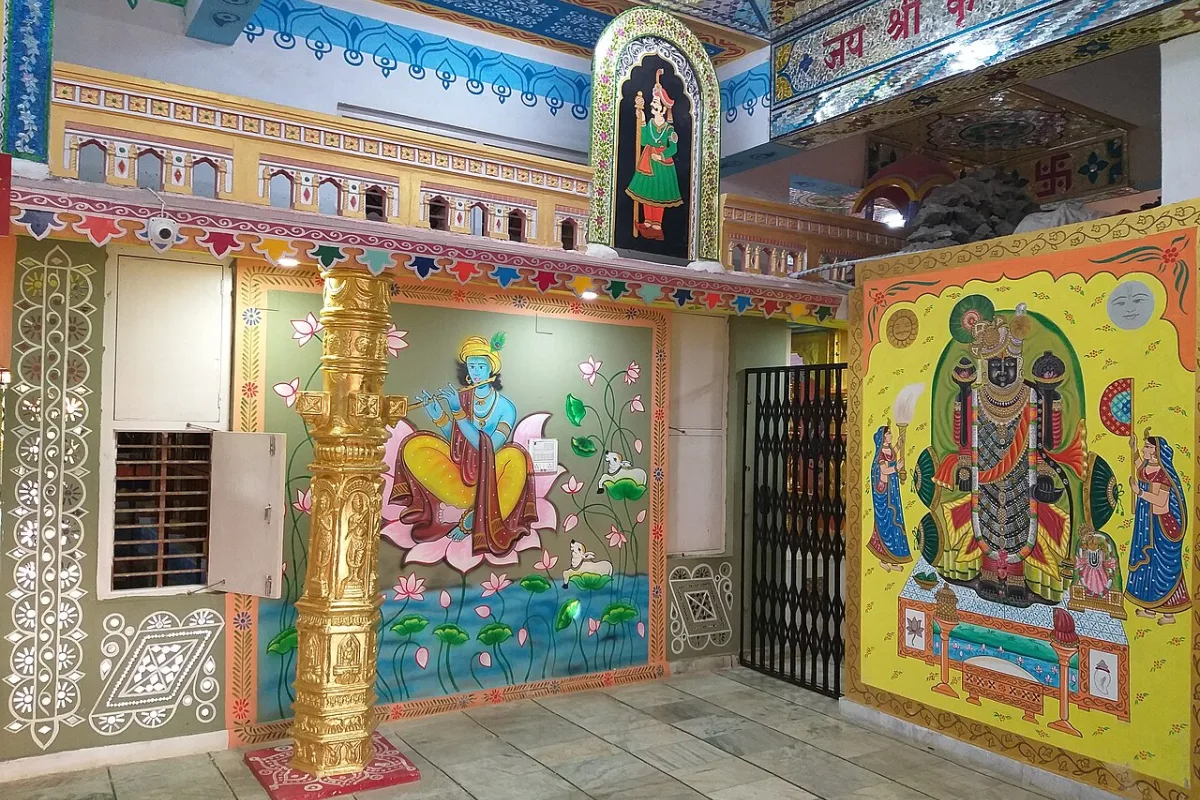
Bet Dwarka
Krishna's island home in the Arabian Sea — reach it by road over Sudarshan Setu or the traditional ferry from Okha.
Read more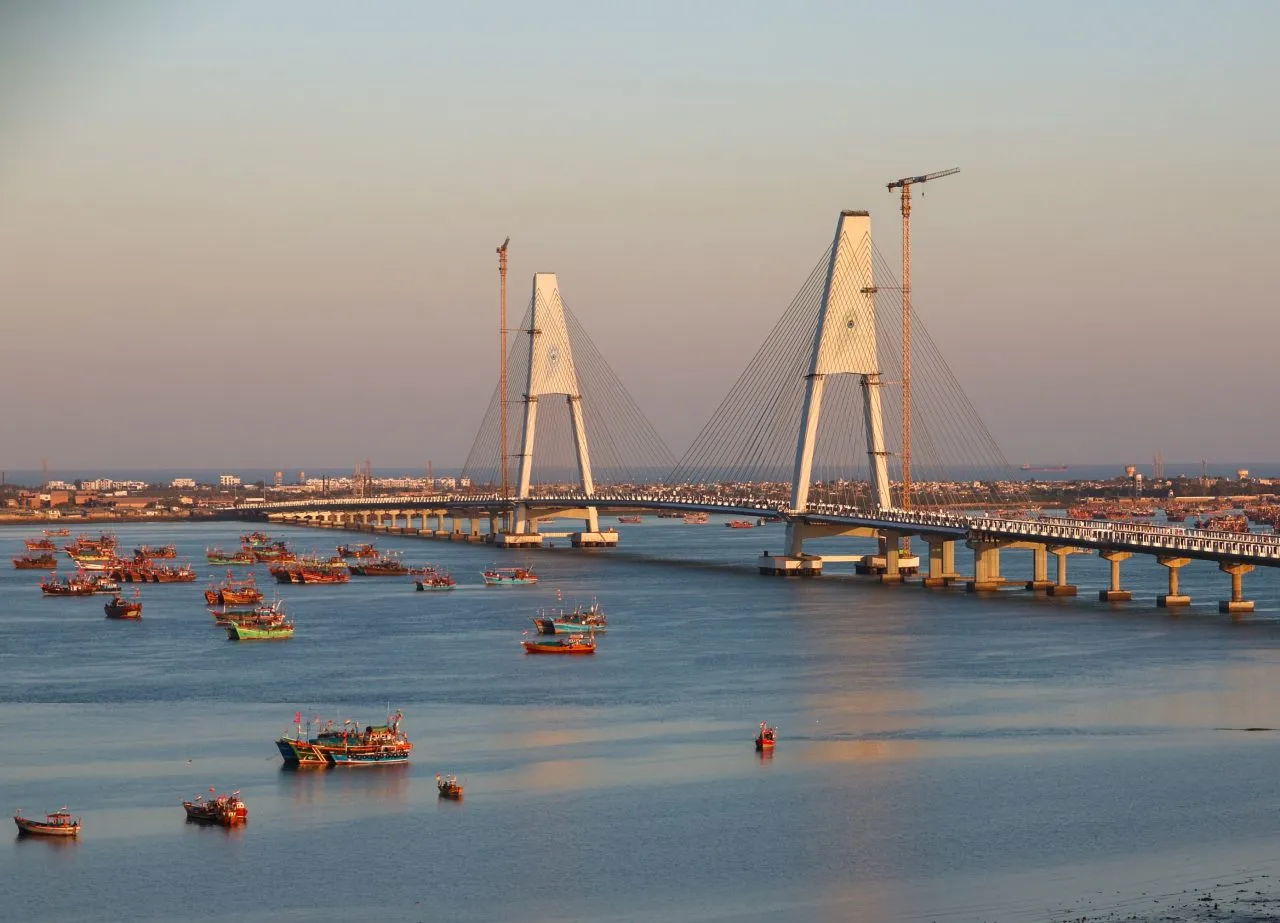
Sudarshan Setu
India's longest cable-stayed bridge from Okha to Bet Dwarka — engineering specs, Krishna-themed walkways, solar panels, and how pilgrims actually use it.
Read more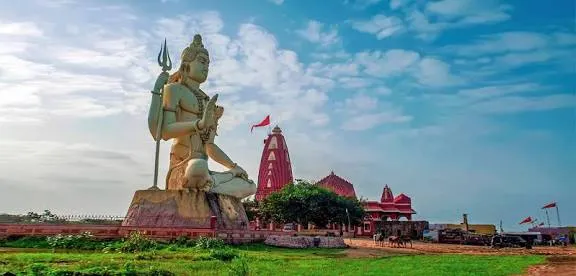
Nageshwar Jyotirlinga
One of the twelve Jyotirlingas of Lord Shiva, 18 km from Dwarka on the road to Bet Dwarka — usually the first stop on a day trip out of town.
Read morePlanning Your Trip to Dwarka?
Darshan timings, how to get there, nearby temples, where to stay — we've put it all together so you can focus on the pilgrimage. Jai Dwarkadhish.